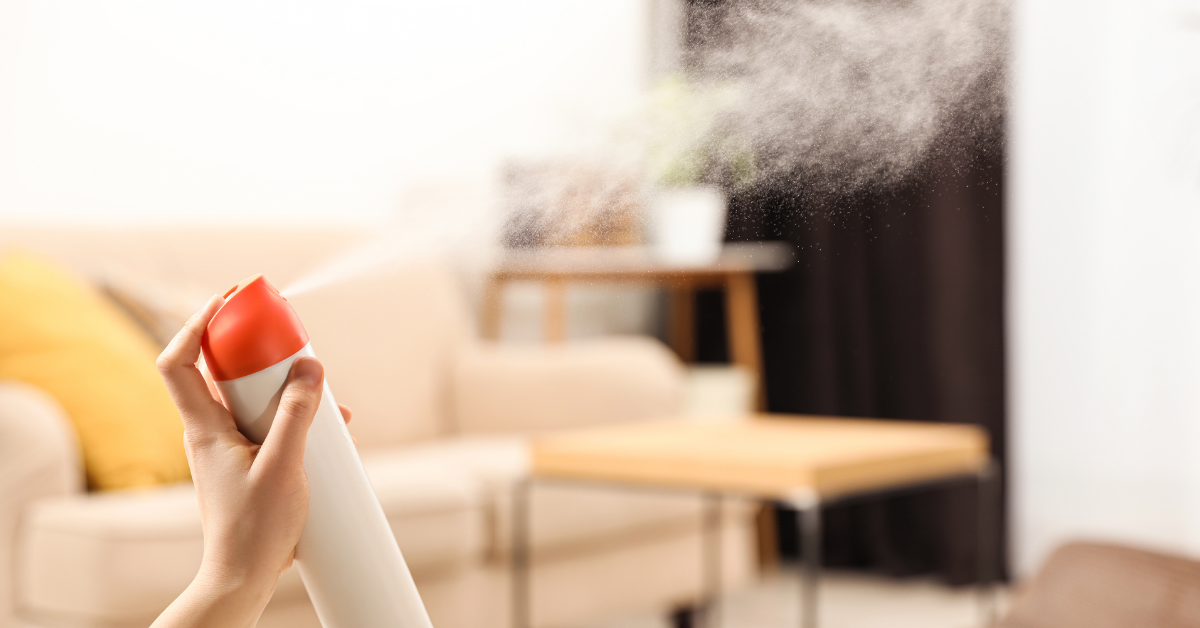
For many people, a fresh-smelling home is a source of comfort. A lavender plug-in by the bed, a citrus air freshener before guests arrive, or a candle burning in the living room can create a feeling of calm and warmth. But what if the products we rely on to make our homes feel inviting are quietly inflaming one of the most sensitive systems in the human body?
Every day, millions of Americans use scented home products without realizing that many release chemicals known to irritate the sinuses and trigger chronic inflammation.1 And in Black and Brown communities, where people often live with higher pollution levels, older housing stock, and limited ventilation, the impact can be even more severe.2
Understanding the problem begins with knowing exactly what your sinuses do and why they’re so vulnerable.
What Your Sinuses Actually Do
Your sinuses are a connected network of hollow spaces behind your forehead, cheeks, eyes, and nose.3 They’re more than empty cavities, they’re an essential part of your body’s respiratory and immune systems.3
Here’s what they help with:
- Filtering the air you breathe: Tiny hairs (cilia) trap dust, chemicals, and germs before they reach your lungs.3
- Humidifying and warming air: Sinuses add moisture and heat to the air so your lungs don’t get irritated.3
- Producing mucus: This sticky fluid captures harmful particles and helps flush them out.3
- Supporting your voice and facial structure: They help amplify sound and relieve pressure in your head.3
When this system is functioning well, you breathe comfortably, filter harmful particles effectively, and rarely think about any of it.4 But when the sinus lining becomes irritated, swollen, or inflamed, breathing becomes harder, pressure builds, and infections can occur more easily.4
Air fresheners, especially those made with synthetic fragrances, are one of the hidden triggers that can keep this inflammation cycle going.
Why Air Fresheners Can Be Dangerous for Your Sinuses
Even the most pleasant-smelling air fresheners often contain volatile organic compounds (VOCs) — chemicals that evaporate into the air and irritate the sinuses when inhaled.1
Common VOCs include formaldehyde, benzene, and acetone, along with dozens of unnamed synthetic fragrance components hidden under the single label “parfum”.1
Once these chemicals enter your nose, they begin interacting with the sensitive tissue that lines your sinuses.1 For some people, the effect is immediate: burning, sneezing, or congestion.1
For others, the reaction builds over time. The sinus lining becomes swollen. The cilia slow down. Mucus thickens. Airflow becomes restricted. And the immune system stays in a constant low-grade state of inflammation, which is a pattern that mirrors perennial allergic rhinitis, where symptoms last year-round and never fully resolve.1
In other words: the source of your sinus problems might not be pollen or weather. It might be the fragrance plug-in you use every day.1
Why Black and Brown Communities Feel the Impact More
The burden of sinus and respiratory conditions is not distributed evenly. Black and Brown communities often face an environment where multiple irritants stack on top of each other.2 Many neighborhoods are located near highways, factories, waste sites, or other pollution sources due to historical redlining and land-use policies.2
Older buildings, common in underserved areas, may have mold, poor ventilation, or outdated HVAC systems. These conditions already strain the respiratory system.2
When indoor air fresheners are added to the mix, the exposure multiplies. The body is no longer reacting to a single irritant but to a combination of outdoor pollution, indoor allergens, and synthetic chemicals.2 This helps explain why Black children experience higher rates of asthma, why sinus infections are more chronic in Black and Brown families, and why respiratory inflammation often goes undertreated or misdiagnosed.2
The issue isn’t sensitivity, it’s exposure. Layered, repeated, environmental exposure.
When Your Sinuses Are Trying to Tell You Something
Many people never suspect their air freshener because symptoms develop slowly. You may notice more congestion in the morning, pressure behind your eyes, or a lingering headache you can’t explain.1 Perhaps a room in your home consistently makes you sneeze. Or maybe you’ve developed a new sensitivity to scents as you’ve gotten older.1
When symptoms improve outside your home, and worsen when you return, that’s often the clearest sign of an indoor trigger.1 Over time, this cycle can lead to chronic sinus infections, burning, post-nasal drip, or even reduced sense of smell.1 Yet because these symptoms are so common, many people learn to live with them rather than look for the cause.
Practical Solutions to Lower Your Exposure
Protecting your sinus health doesn’t require expensive equipment or a complete lifestyle change, just small adjustments that reduce your exposure to the chemicals that keep inflammation going.
Let’s turn this knowledge into action; below are five practical solutions you can adopt today to significantly lower your chemical exposure.
1. Switch to fragrance-free basics
Unscented cleaners and laundry products are much gentler on the sinuses. Removing fragrance reduces the number of chemicals circulating in your home, giving the sinus lining time to recover.5
2. Improve airflow when possible
Opening windows for even short periods helps remove VOCs and refresh stagnant indoor air. Apartment dwellers can place a fan facing outward to pull air from the room.5
3. Consider natural odor solutions
Baking soda, activated charcoal, simmer pots with citrus or herbs, and small essential oil diffusers used sparingly are safer options. They release fewer irritants and don’t overwhelm the sinus lining.5
4. Add moisture to the air
Dry air worsens inflammation. A basic humidifier, even a pot of boiling water, can help restore moisture and soothe irritated sinuses.5
5. Use a HEPA air purifier if accessible
Small, budget-friendly tabletop purifiers can significantly reduce allergens, fragrances, and dust in the home. These steps don’t just improve comfort; they directly support the immune system and help the sinuses heal from chronic (long-term) irritation.5
Protecting Our Respiratory Health Starts at Home
Indoor air quality is an often overlooked part of wellness, especially in communities already burdened by environmental pollutants.
If you’re dealing with frequent congestion, recurring sinus infections, or unexplained headaches, it may be worth reevaluating the products you use to scent your home.
References
- Steinemann, A. (2016). Fragranced consumer products: exposures and effects from emissions. Air Quality, Atmosphere & Health. doi:10.1007/s11869-016-0442-z
- ALA. (2023, November 2). Disparities in the Impact of Air Pollution. Retrieved from American Lung Association: https://www.lung.org/clean-air/outdoors/who-is-at-risk/disparities
- Formeister, E. J. (2025, January ). Nose and Sinuses. Retrieved from Merck Manual: https://www.merckmanuals.com/home/ear-nose-and-throat-disorders/biology-of-the-ears-nose-and-throat/nose-and-sinuses
- AAFA. (2024, July ). Sinusitis (Sinus Infection or Sinus Inflammation). Retrieved from Asthma and Allergy Foundation of America: https://aafa.org/allergies/allergy-symptoms/sinusitis-sinus-infection/
- ALA. (2023, November 14). Source Control. Retrieved from American Lung Association: https://www.lung.org/clean-air/indoor-air/protecting-from-air-pollution/source-control