Our community members with Parkinson’s have unique experiences and needs when it comes to living with the condition. Scroll to find resources and support.
Parkinson’s disease is a progressive brain condition that affects how you move, speak, and go about daily life.1 It occurs when brain cells that produce dopamine—an important chemical for movement—begin to die.
As dopamine levels drop, the brain has a harder time coordinating movement, balance, and speech.
More than 1 million people in the U.S. are living with Parkinson’s, yet Black Americans are less likely to be diagnosed and less likely to receive care from a specialist.2
Parkinson’s often starts with subtle changes. Over time, symptoms may worsen or spread. Common signs include:
TREMORS
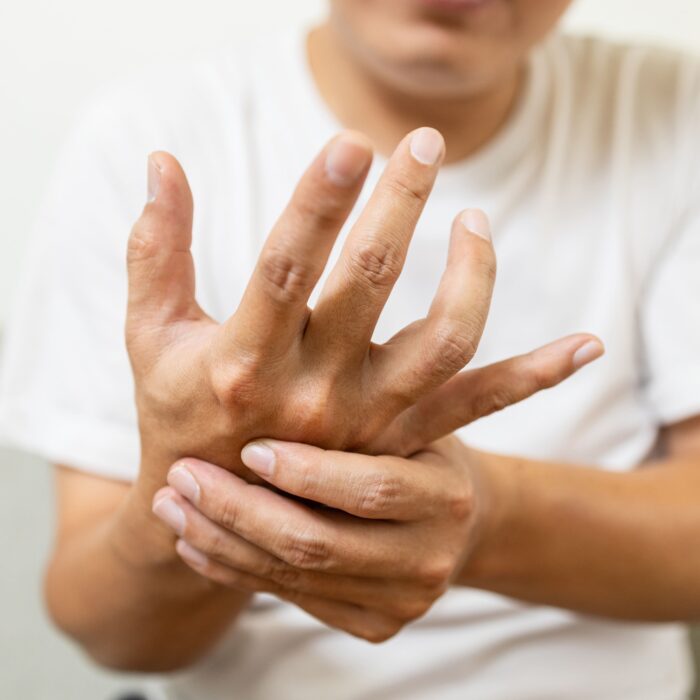
Shaking or trembling, especially in hands or fingers
May start on one side of the body
SLOW MOVEMENT (BRADYKINESIA)
Everyday tasks take long
Movement may feel stiff or sluggish
SPEECH OR WRITING CHANGES
Voice may become softer or slurred
Handwriting may shrink or become hard to read
TREMORS
Shaking or trembling, especially in hands or fingers
May start on one side of the body
SLOW MOVEMENT (BRADYKINESIA)
Everyday tasks take long
Movement may feel stiff or sluggish
SPEECH OR WRITING CHANGES
Voice may become softer or or slurred
Handwriting may shrink or become hard to read
Want more information about this condition?
Because Parkinson’s progresses slowly and symptoms can be subtle, especially in Black and brown communities, it's important to know the early signs of Parkinson's.
Diabetes isn’t a one-size-fits-all condition—and neither is managing it. With the right mix of support, lifestyle changes, and (when needed) medication, many people thrive while living with diabetes.
Medications
Common types of blood pressure medications include:
Diuretics (“water pills”): Help your body get rid of extra salt and water
ACE inhibitors & ARBs: Help relax your blood vessels
Calcium channel blockers: Help slow your heartbeat and ease vessel tension
Beta blockers: Reduce your heart rate and how hard it works
Small changes can lead to big wins when it comes to diabetes. These lifestyle shifts can help lower your blood sugar and protect your heart, kidneys, and nerves.
Low level of awareness about Parkinson’s disease within the Black community leads to common symptoms being dismissed or attributed to aging.
Genetic Risk Factor Information
Historically, genetic studies in Parkinson’s have largely focused on populations of European descent, resulting in a gap in understanding for underserved communities.
A Quicker Diagnosis
In our communities, individuals with Parkinson’s often face lengthy delays in diagnosis, enduring years of uncertainty and misdiagnosis.
Opportunities for Treatments
Only a third of newly diagnosed Black people with Parkinson’s are started on therapy, and they are significantly less likely than white people to receive appropriate treatments.
General Education About Parkinson’s
Low level of awareness about Parkinson’s disease within the Black community leads to common symptoms being dismissed or attributed to aging.
Genetic Risk Factor Information
Historically, genetic studies in Parkinson’s have largely focused on populations of European descent, resulting in a gap in understanding for underserved communities.
A Quicker Diagnosis
In our communities, individuals with Parkinson’s often face lengthy delays in diagnosis, enduring years of uncertainty and misdiagnosis.
Opportunities for Treatments
Only a third of newly diagnosed Black people with Parkinson’s are started on therapy, and they are significantly less likely than white people to receive appropriate treatments.
Resources for Parkinson’s Disease
While there’s no cure yet, treatment can help many people with Parkinson’s live active, fulfilling lives. Explore the resources below.
Hear From Community Members
Watch real stories from those living with Parkinson’s and breaking barriers.