
Navigating rare conditions like amyloidosis in communities where healthcare access is limited can be challenging. Scroll to find information and support.
Amyloidosis (am-uh-loy-DOH-sis) is a rare health condition.1 It happens when sticky, abnormal proteins build up in your body instead of breaking down like they should.1
Over time, these proteins cluster together and form buildup inside your organs, like your heart, kidneys, liver, or nerves.1,2 When this buildup happens, it makes it hard for your organs to work properly.1
Because it can affect different parts of your body, getting tested early is very important to protect your organs and keep you feeling your best.1
Learn more about amyloidosis from Camille Pope, PharmD, RPh, and Kathi Luis from the Amyloidosis Foundation.
How it happens: Your bone marrow makes flawed protein pieces that clump together.1
Main body parts affected: Heart, kidneys, liver, and nerves.1
Good to know: This is the most common type. It requires quick action and care from a specialized doctor.1
How it happens: Triggered by long-term inflammation or ongoing health issues (like severe arthritis).1
Main body parts affected: Kidneys, stomach, liver, and spleen.1
Good to know: Treating the main health issue can help stop or slow down protein buildup.1
How it happens: A protein made in the liver breaks down and builds up in the body.2
Main body parts affected: Heart and nerves.2
Two main kinds:
– Hereditary (hATTR): Passed down through family genes.2
– Wild-Type (wtATTR): Happens naturally as people get older.2
These resources might help
Amyloidosis can look like other common health issues, which can make it tricky to spot. Here are common signs to pay attention to:
Unexplained fluid buildup (swelling) in your ankles, feet, or stomach.1
A “pins and needles” feeling, pain, or numbness in your hands, wrists, or feet.1
Here are a few factors that might put you at risk for chronic kidney disease (CKD):

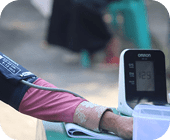
High blood pressure is a major cause of CKD. Get it checked regularly.
If it’s high, work with your doctor to manage it through lifestyle changes and, if needed, medication.

Diabetes is another leading cause of CKD. If you have diabetes, carefully monitor your blood sugar levels and follow your doctor’s recommendations to keep them in a healthy range.

Regular exercise helps control blood pressure and blood sugar, which protects your kidneys.
Aim for at least 30 minutes of moderate-intensity exercise most days of the week.

Here are a few factors that might put you at risk for chronic kidney disease (CKD):

High blood pressure is a major cause of CKD. Get it checked regularly.
If it’s high, work with your doctor to manage it through lifestyle changes and, if needed, medication.

Diabetes is another leading cause of CKD. If you have diabetes, carefully monitor your blood sugar levels and follow your doctor’s recommendations to keep them in a healthy range.

Regular exercise helps control blood pressure and blood sugar, which protects your kidneys.
Aim for at least 30 minutes of moderate-intensity exercise most days of the week.

Here are a few things that can increase the chances of developing amyloidosis:
While there isn’t one single cure for amyloidosis yet, treatments can help slow down protein buildup, protect your organs, and help you feel better.
Caring for a loved one with a rare health condition takes patience, strength, and strong community support.
Many people with amyloidosis live active, fulfilling lives. Explore the resources.
Listen to Belinda’s story and how she manages her diagnosis and keeps moving forward.
Find clinics and doctors who specialize in testing and treating amyloidosis.
Discover low-sodium food ideas and gentle daily habits to support your heart health.
Many people with amyloidosis live active, fulfilling lives. Explore the resources below.
Listen to Belinda’s story and how she manages her diagnosis and keeps moving forward.
Find clinics and doctors who specialize in testing and treating amyloidosis.
Discover low-sodium food ideas and gentle daily habits to support your heart health.
Amyloidosis: Symptoms, Causes, Types, and Diagnosis. Retrieved from Mayo Clinic
Understanding AL, AA, and ATTR Amyloidosis. Retrieved from Amyloidosis Support Groups
Health Equity and Disparities in Rare Disease and Cardiac Amyloidosis Diagnosis. Retrieved from NIH: National Heart, Lung, and Blood Institute