
Deciding how to feed your baby is often one of the very first major parenting decisions a mother faces. For many Black moms on their breastfeeding journey, society frequently paints an oversimplified picture of infant care, dominated by effortless latching, abundant milk supply, and serene bonding moments. However, the reality within our community is far more nuanced.
When comparing breastfeeding vs. formula in the Black community, mothers are often caught between high expectations and real-world hurdles. Between navigating systemic healthcare challenges, recovering from complex deliveries, dealing with physical pain, or managing low milk supply, the road to natural infant feeding is rarely a straight line.
In honor of National Breastfeeding Month, three Black moms from our NOWINCLUDED community—Laquita, Kiera W. (Panda), and Kiera S.—share their raw stories on nursing, pumping, formula-feeding, and combo-feeding for newborns. Here are their experiences, their struggles, and the wisdom they gained along the way.
3 Black Moms Share Their Infant Feeding Stories
1. Laquita Navigated Guilt & Found Peace in the Pivot

When Laquita found out she was expecting twins, she viewed breastfeeding as the ultimate first gift she could give her children. Having dreamed of motherhood for years, she was eager to experience the body’s innate ability to nourish and sustain life. However, her journey quickly presented unexpected hurdles.
“I honestly thought breastfeeding would be as simple as putting my baby to the breast and feeding them. But it was so much more difficult than I ever imagined.”
Following a C-section at 38 weeks in a hospital overseas in Germany, Laquita faced a delayed milk supply, low production, and latching difficulties. Setting hourly alarms to pump around the clock, she struggled with bleeding nipples, painful uterine contractions, and overwhelming feelings of inadequacy when her milk didn’t come in until day five.
Key Takeaways from Laquita’s Journey:
- How to advocate for yourself during breastfeeding: When her newborns were crying from hunger, Laquita trusted her instincts to advocate for formula supplementation despite pushback from a hospital team heavily focused on exclusive nursing.
- Redefining success: After nearly six months of exclusive breastfeeding once her milk came in, her supply could no longer keep up with twin demand. Transitioning to formula became the healthiest choice for her family.
- Releasing motherly guilt: Laquita learned that a mother’s worth is never defined by a feeding method, but by the love and care she provides daily.
2. Kiera W. (Panda) Overcame Struggles with Low Milk Production

For Kiera W. (Panda), choosing to breastfeed originated from a desire to provide her newborn son with the most natural health foundation possible. However, unexpected maternal health complications quickly altered her plans, requiring her to utilize a mix of both breast milk and formula.
“I had a combination of low supply and guilt that caused great sadness, but seeing my baby growing from 4 pounds to 6 in less than a month let me know I was on the right track.”
Navigating struggles with low milk production brought moments of deep emotional hardship. Yet, with the support of her healthcare team and dedicated lactation specialists, Panda focused on what mattered most: her infant’s health and steady weight gain.
Key Takeaways from Panda’s Journey:
- Focusing on growth indicators: Watching her baby thrive and gain weight provided immediate reassurance that combining feeding methods was working.
- Understanding low supply: Panda emphasizes that low supply is a common physical reality that is never a mother’s fault.
- Embracing flexibility: Combining formula and breast milk allowed her son to get the nourishment he needed while accommodating her medical recovery.
3. Kiera S. Protected Her Peace Through Combo-Feeding for Newborns
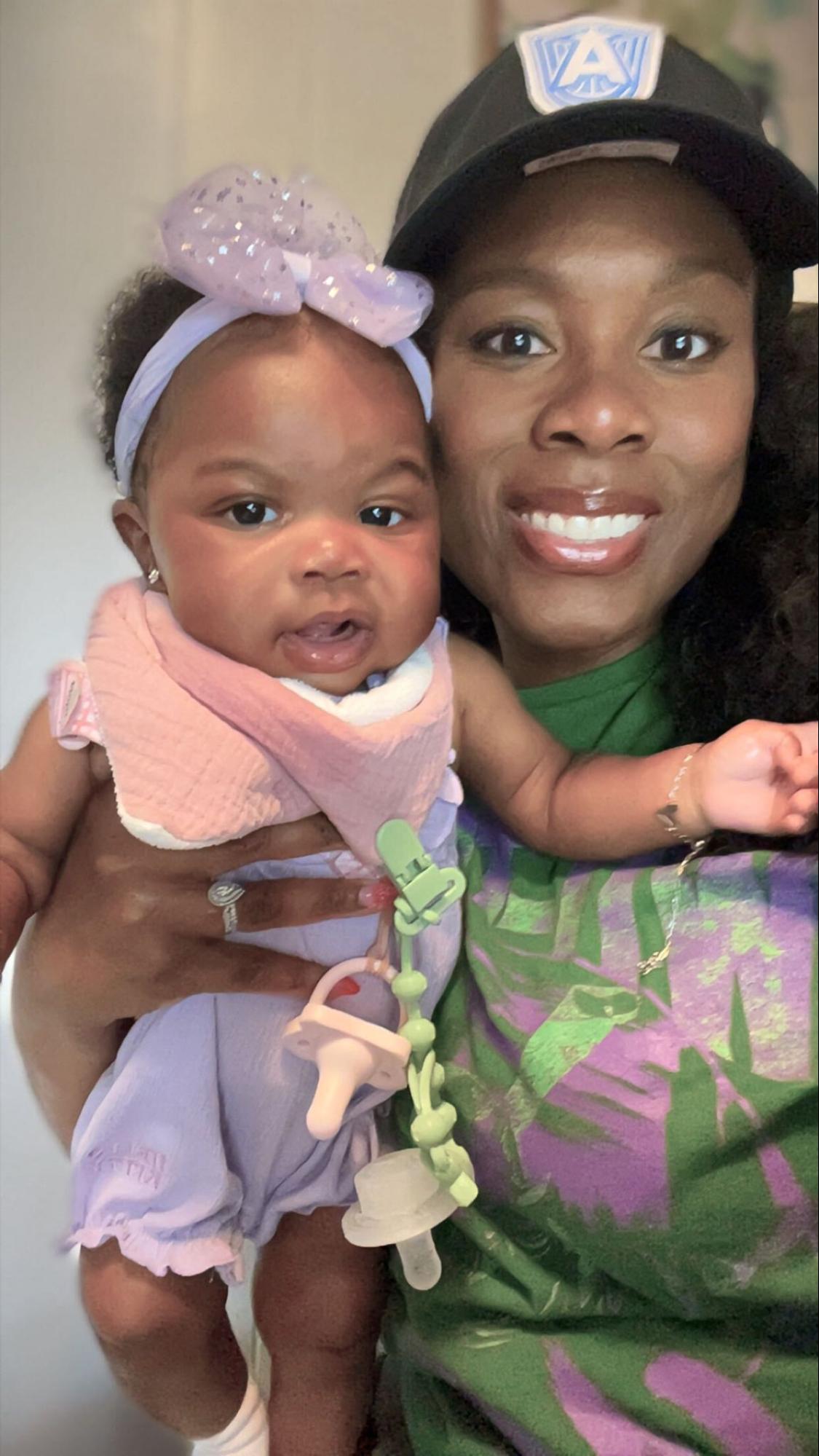
Kiera S. entered pregnancy with an intentional, open mindset. Refusing to lock herself into a single “ideal” method, she prioritized a balanced approach that allowed her to protect her physical recovery and mental health.
Her journey began under high-stress conditions: managing preeclampsia while her newborn was admitted to the NICU. Early bottle exposure in the NICU, paired with latching difficulties and pain from incorrectly sized pump flanges, made feeding a complex puzzle.
“I wish someone had told me that ‘successful’ breastfeeding doesn’t have one definition. It’s not all-or-nothing, and it’s not a reflection of your love or commitment as a mother.”
Supported by her doula, lactation consultants, and prenatal class preparation, Kiera embraced combo-feeding for her newborn, which included nursing, pumping, and formula-feeding using tools like nipple shields and recurring formula subscriptions.
Key Takeaways from Kiera S.’s Journey:
- The importance of proper equipment: Flange sizes change over time. Re-measuring pump flanges regularly can dramatically reduce pain and improve milk supply.
- Tool utilization: Nipple shields provided a familiar shape for a baby accustomed to NICU bottles, easing the transition back to the breast.
- Rejecting social media pressure: Social media highlight reels often push an unrealistic bar of effortless latching and massive oversupplies. Real success lies in protecting your peace.
Common Lessons for Black Mothers on Their Breastfeeding Journey
While every mother’s path looks different, several crucial lessons emerge from their shared experiences:
- A Fed Baby is the Ultimate Goal: Whether your child receives exclusive breast milk, formula, or a combination of both, a fed, growing, and loved baby is the true metric of success.
- Self-Advocacy is Essential: Medical environments can sometimes push rigid guidelines or move too fast. Learning how to advocate for yourself during breastfeeding ensures both your needs and your baby’s needs are met.
- Your Equipment Needs Maintenance: Physical discomfort while pumping is often tied to improper flange sizing or lack of supportive tools like nipple shields. Lean heavily on lactation specialists for adjustments.
- Guilt Has No Place at the Table: Struggling with milk production, pain, or latching is a physical reality and not a personal or moral failure.
Frequently Asked Questions (FAQ)
Q: Is combo-feeding healthy for newborns?
A: Yes, combo-feeding for newborns is a safe, healthy, and medically backed feeding option. Combining nursing, expressed breast milk, and infant formula ensures your baby receives complete nutrition and adequate calories while helping ease physical stress or low supply challenges for the mother.
Q: What should Black mothers facing low milk supply do first?
A: First, consult a certified lactation consultant or doula to evaluate latch mechanics, feeding frequency, and flange sizing. Remember that supplementing with formula is a safe and valid choice if your baby requires additional nourishment.
Q: How can I advocate for myself during breastfeeding in a hospital setting?
A: Communicate your feeding goals clearly with your care team, ask to speak directly with an in-hospital lactation consultant, and do not hesitate to request formula supplementation if your baby is struggling to feed or your milk supply is delayed.
Words of Encouragement for Black Mothers
If you are navigating feeding decisions today, remember these parting words of advice from the mothers in our community:
“Give yourself permission to combo feed, to pivot, to change your mind… Release the comparison trap. What you see online is a highlight reel, not the full story.” — Kiera S.
“Don’t give up, and remember your baby will not blame you if you have to use formula.” — Kiera W. (Panda)
“Whether you breastfeed, pump, formula-feed, or do a combination, your love—not the method you choose—is what your baby will remember and what truly matters.” — Laquita
Join the Breastfeeding Conversation
How did you navigate your infant feeding journey? Share your thoughts, challenges, and wins with the NOWINCLUDED community!