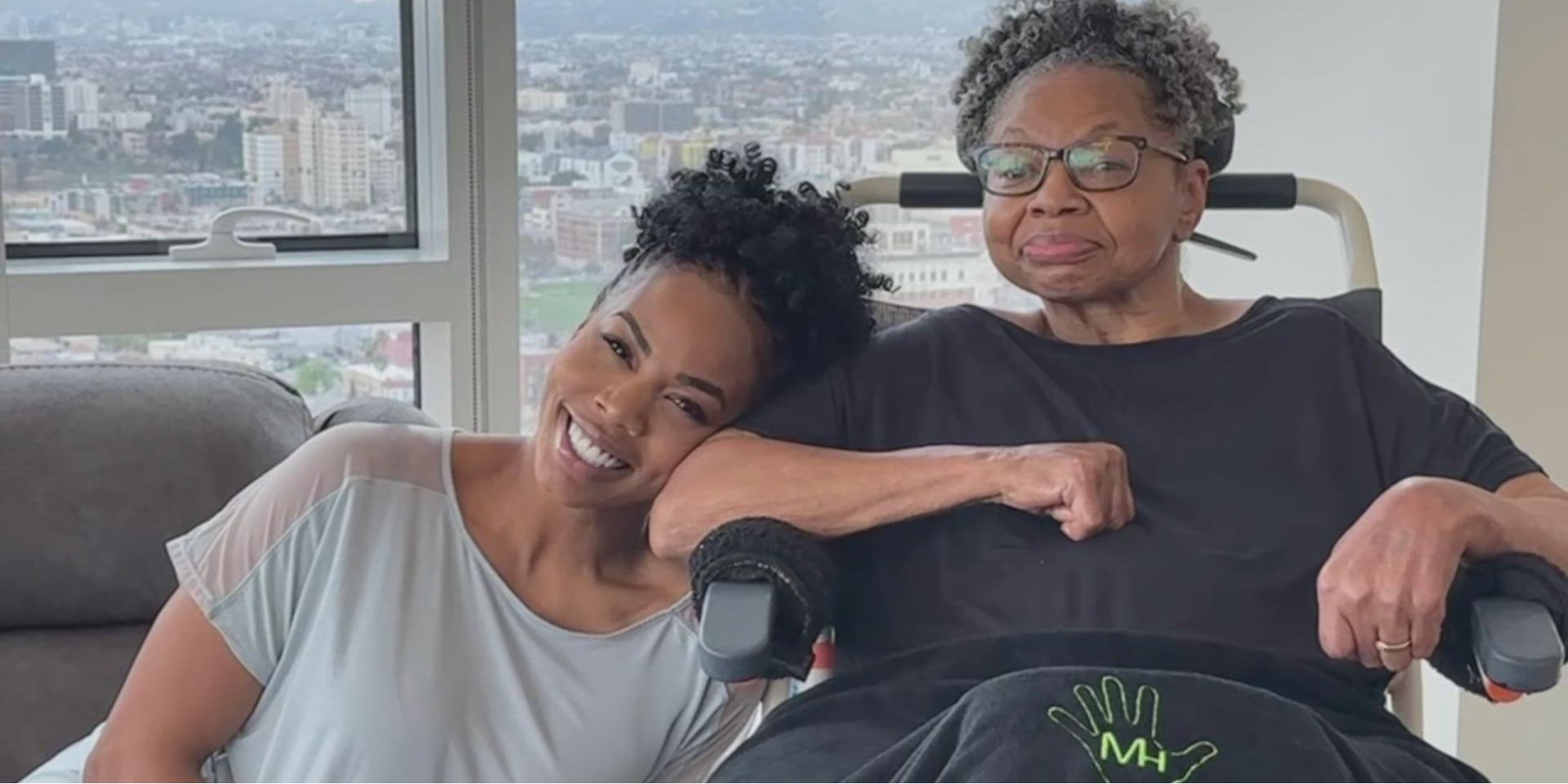
When you watch Brandee Evans moving through a scene on P-Valley, you see grace, power, and presence. Off the screen, those qualities show up in a different role entirely: caring for her mother, Diana Harrington, who lives with Alzheimer’s disease and multiple sclerosis. Brandee’s caregiving story isn’t just about one household; it reflects the millions of adults in the U.S. who shoulder the emotional, physical, and financial weight of caregiving in silence.1
A Role Millions Share, Often in Silence
Caregiving touches nearly one in five Americans, with more than 53 million people providing unpaid care to a loved one in the last year alone. That work is strenuous, often undervalued, and disproportionately borne by women and people of color.2
According to AARP, caregivers contribute an estimated $600 billion in unpaid labor each year, more than the total revenue of some Fortune 500 companies. Yet the emotional toll, the financial strain, and the daily uncertainty are rarely captured in social media posts or even in headlines.3
Living Inside Uncertainty
For Brandee, caregiving began years before Alzheimer’s was diagnosed. Her mother had always been vibrant and independent. The conditions that now affect her cognition and mobility crept in slowly, stealing pieces of memory and autonomy one by one.1 Brandee describes it as a series of losses, tiny and monumental, stitched into the fabric of everyday life. She doesn’t talk about it as a burden—but as a transformation of love.1
Brandee shared with the Alzheimer’s Association that each day is unpredictable. Some mornings, Diana is bright-eyed and chatty. Other days, she struggles to recall conversations they shared the day before. Brandee has learned to track her mom’s rhythms: morning clarity gives way to afternoon fatigue, followed by a curious second wind at night.1
Families caring for loved ones with dementia or chronic conditions face unique challenges. Memory loss isn’t just forgetting; it’s losing shared history, plans, and the sense of “us” as it once was. Brandee talks about the confusion her mom experiences when she sees her daughter on television, a reminder that identity can become fragmented under the weight of neurological condition. These moments bruise the spirit, but they also shape a deeper commitment to presence and acceptance.
Building Sustainable Care, Not Superheroes
Brandee moved her mom from Memphis to Los Angeles to ensure consistent care and access to therapies that support her multiple sclerosis. That decision reflects a growing trend in caregiving: relocation for medical reasons.1
Nearly one in three caregivers adjust their work or living situation to meet care demands, often at significant personal cost.2 The labor of caregiving is not a part-time role. Brandee balances therapies, in-home support, and her own demanding career with intentional planning and a circle of people she trusts.
Sustainable care depends on shared responsibility, not heroism. The caregiving workforce includes a vast number of women, especially Black and Brown women, who often navigate both paid and unpaid responsibilities without adequate support or recognition.4
Holding Joy Without Denial
Brandee’s story touches on something many caregivers know well: joy and grief are inseparable. She celebrates small milestones with intention, such as matching tattoos she and her mom got on Diana’s 65th birthday, a spa day at home on Mother’s Day, pushing her mom along hiking trails in a wheelchair so they can still feel the wind together. These moments aren’t just sentimental; they are acts of resistance against loss.1
Not every memory lands gently. Brandee recounts a weekend getaway to Miami, her mom’s first time at the beach, an NBA playoff game, and a concert. When Brandee later showed her mom the video documenting those moments, her mom didn’t remember the trip.1
That pain is real and raw, but Brandee doesn’t hide from it. She says she documents these experiences because they matter to her too. Caregiving shapes the caregiver’s life just as deeply as the care recipient’s.
Lessons From the Front Lines of Care
Practical lessons sit alongside emotional ones. Brandee urges caregivers to get certified in CPR and first aid; knowledge saved her mom’s life once at a movie theater when she began choking.1 She also stresses the importance of letting go of pride. Asking for help isn’t weakness, it’s strategy. Friends, neighbors, and professional caregivers can sustain a caregiving journey that might otherwise break someone under its weight.1
Therapy has become another pillar of Brandee’s support system. For years, she used acting to shield her emotions. Now she processes them directly, learning that strength is not stoicism. She also carves out time for movement and solitude when possible, including cycling, hikes, long drives that clear her mind and slow her breathing.1
Caregiving is often invisible work, yet it changes everything. Nearly half of all caregivers experience symptoms of depression, and many leave the workforce early or reduce hours to meet care obligations.4 These personal sacrifices ripple out into economic and health disparities across families and communities. Brandee’s story is personal, but it also highlights structural realities: caregiving impacts employment, mental health, financial stability, and intergenerational wellbeing.4
At the heart of her caregiving philosophy is a simple clarity: do not wait for tomorrow. Brandee hugs her mom when she can, stays present in moments that matter, and adapts without relinquishing love. She understands that decline may come, but she chooses presence now.
Some of these moments she shares publicly. Others she holds close. The ones she shares are meant to remind caregivers that their experiences are seen and valuable.
Caregiving is hard, but it is also deeply human. It connects us through vulnerability, resilience, and love that persists long after memory fades.
To The NOWINCLUDED Community
Caregiving is happening all around us, often quietly.
If you are a caregiver, your experience matters. How do you balance caregiving with work, rest, and your own health? What has helped you stay grounded? What support do you wish you had earlier?
Share your story in the NOWINCLUDED app. Learn from others who are navigating similar paths. Caregiving deserves honesty, visibility, and community. You do not have to carry this alone.
References
- Alzheimer’s Association. Brandee Evans Celebrates Life By Making Memories with Mom. Alzheimer’s Association. Published June 2, 2021. Accessed January 30, 2026. https://www.alz.org/blog/2021/brandee-evans-celebrates-life-by-making-memories-with-mom
- Unpaid caregiving is undervalued by society. Unpaid caregiving is undervalued by society. https://www.apa.org. Published October 17, 2024. https://www.apa.org/news/press/releases/2024/10/unpaid-caregiving-undervalued
- Horovitz B. New AARP Report Finds Family Caregivers Provide $600 Billion in Unpaid Care Across the U.S. AARP. Published March 8, 2023. https://www.aarp.org/caregiving/financial-legal/unpaid-caregivers-provide-billions-in-care/
- Frye J, Haider A. Black Women and the Care Agenda | National Partnership for Women & Families. National Partnership for Women & Families. Published November 7, 2024. https://nationalpartnership.org/report/black-women-and-the-care-agenda/