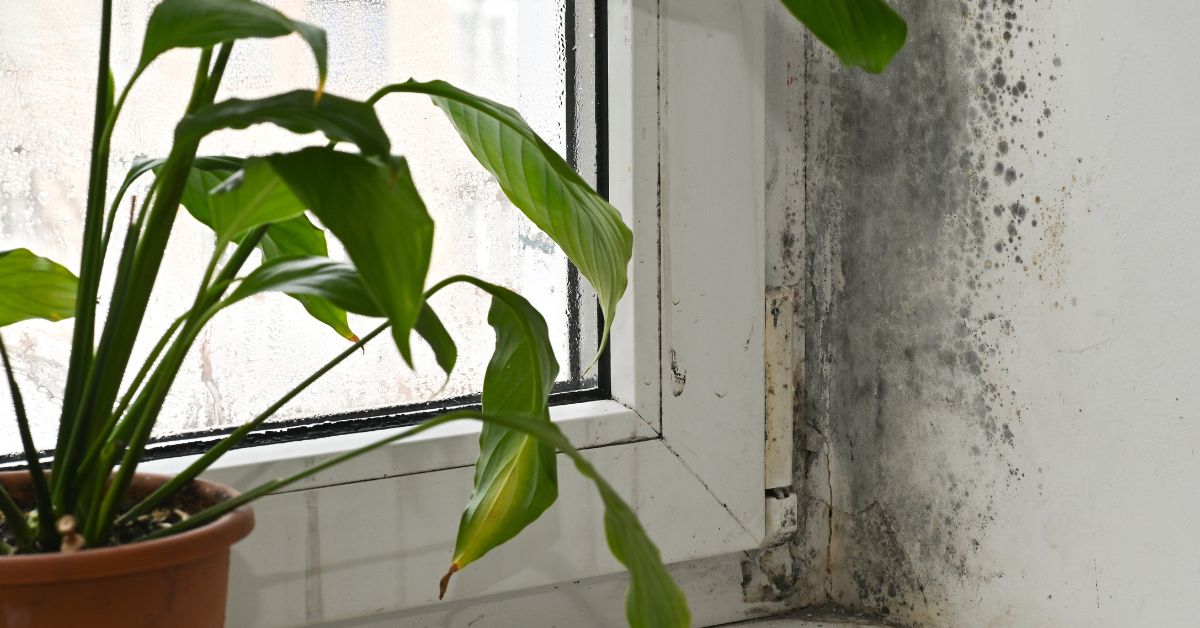
On any given day, families across the country wake up coughing, sneezing, or feeling unusually tired—never suspecting that the air inside their own homes might be making them sick. The smell might be faint at first: a damp, earthy odor after a rainy day or a mustiness that lingers no matter how often you clean. Weeks later, breathing feels harder. Children’s asthma flares up. The walls begin to stain.1
For many renters, especially in older apartment buildings, that’s how mold quietly moves in. It thrives in the dark corners of kitchens and bathrooms, spreads behind drywall, and releases microscopic spores that fill the air.1 And for Black and Brown families living in neighborhoods burdened by housing neglect, poor ventilation, and environmental injustice, this invisible threat too often becomes a chronic health crisis, one that can damage lungs, weaken immune systems, and deepen existing inequities.2
Before we get into the warning signs, let’s understand what mold really is, and why it matters.
What Mold Is and Why It’s Dangerous
Mold is a type of fungus that grows anywhere there’s moisture and organic material to feed on, like wood, drywall, or fabric.3 It releases tiny spores into the air that travel easily and multiply fast. Once inhaled, these spores can irritate the nose, throat, and lungs, especially for people with asthma, weakened immune systems, or allergies.3
While a few spores may seem harmless, chronic exposure can cause respiratory inflammation, fatigue, and in some cases, long-term immune system disruption.3 People often confuse mold-related symptoms with simple allergies or lingering colds, but mold exposure is linked to conditions such as perennial allergic rhinitis, a year-round allergic response that leads to constant nasal congestion, sneezing, and runny nose.4
Left unchecked, mold becomes more than a nuisance, it becomes a health equity issue.
Signs Your Apartment Could be Moldy
Below are five signs your space might be harboring mold, even if you can’t see it yet. Each sign tells a story of moisture, air quality, and how your body is reacting to the air you breathe.6
1. A Musty or Damp Odor That Lingers
Before mold is visible, it often announces itself through smell, like a heavy, musty scent that reminds you of soil or old wood after rain.6 You might first notice it when you walk into a room after being away, open a closet, or step into the bathroom after a shower.6
If the odor returns even after cleaning or airing out the space, chances are the mold is growing behind the scenes, inside drywall, under flooring, or within air vents.6 Your nose is one of the earliest warning systems your home has; don’t ignore it.
What to do: Try to locate the source of the smell. Look for moisture-prone areas such as bathrooms, kitchens, near windows, and under sinks.6 If you can’t find it but the odor persists, ask your property manager to inspect behind walls or in ventilation systems.
2. Water Damage or Stains (Even Old Ones)
Any past or present water leak can become a breeding ground for mold. Even stains that look dry or old may signal hidden moisture beneath the surface. Bubbling paint, cracked plaster, or discolored patches on ceilings and walls are early clues.6
In many older apartments, mold hides behind “sealed” repairs, fresh paint covering up darker stains without addressing the leak underneath. The water may have evaporated, but the mold remains alive in the drywall.6
What to do: Don’t just clean or repaint. Identify underlying sources like leaky pipes, roof damage, or window condensation and make sure the area is completely dried and repaired before covering it up.6
3. Condensation and Constant Humidity
When humidity lingers above 50%, you’re creating a perfect environment for mold to thrive. Foggy windows, moisture on mirrors, or walls that feel damp to the touch are all early signs. You might even see small pools of water along baseboards or windowsills after a rainstorm.6
In apartments with poor insulation or limited airflow, common in older buildings, the air can trap moisture for hours, letting mold colonize unseen surfaces.6
What to do: Use dehumidifiers or air conditioners to maintain proper indoor humidity. Keep windows slightly cracked when weather allows. Bathrooms and kitchens should have exhaust fans that vent outside, not just recirculate the air.6
4. Health Symptoms That Flare Indoors
If you or your loved ones feel sick more often at home than elsewhere, your body may be alerting you to a mold problem. Mold spores can trigger allergic reactions, respiratory inflammation, and even fatigue.6
Common symptoms include:
- Sneezing, coughing, or post-nasal drip that won’t go away
- Itchy eyes or throat
- Worsening asthma or shortness of breath
- Headaches and fatigue that ease when you leave the home
What to do: Track when symptoms appear or worsen. If they improve when you’re away, tell your healthcare provider and ask for allergy testing. You can also purchase an at-home mold test to identify spore presence in your apartment.
5. Visible Mold or Discoloration on Surfaces
When mold becomes visible, it’s already established itself. It might look fuzzy, slimy, or powdery. Colors can range from black or dark green to yellow or white. Some species, like Stachybotrys chartarum, often called “black mold”, produce toxins that can worsen respiratory or neurological symptoms.6
You may see small clusters in bathrooms or around windows, but mold can also appear behind furniture, under carpets, and even in heating or air conditioning units.6
What to do: Never ignore visible growth. Small patches (less than 10 square feet) can sometimes be cleaned safely with diluted bleach or vinegar solutions, but larger infestations require professional help.6 Always wear gloves and a mask when cleaning. If you rent, document the damage with photos and written notice to your landlord.
Why This Hits Black and Brown Communities Hardest
In many under-resourced neighborhoods, residents don’t just battle mold, they battle the systems that allow it to grow.5 Decades of redlining, disinvestment, and housing neglect have left many Black and Brown families living in aging buildings with outdated plumbing, poor ventilation, and delayed repairs.5
When leaks go unfixed, humidity goes unmonitored, and landlords ignore tenant complaints, mold thrives.5 Those same conditions are linked to higher asthma rates and hospitalizations among Black children, who are twice as likely to be hospitalized for asthma as white children.5
Mold exposure becomes one more layer of environmental injustice; where zip code, not biology, determines health.5
From Awareness to Advocacy
Mold exposure isn’t just a maintenance issue, it’s a public health issue, one that reflects housing inequality across the country. For families already juggling multiple jobs or chronic conditions, the cost of testing, repairs, or relocation is often out of reach.
That’s why advocacy matters. Tenants have the right to safe and healthy housing. If your landlord refuses to fix leaks or remove mold, contact your local health department, tenant union, or housing authority.1 Keep records, photos, and written communications.
On a community level, mold awareness campaigns, legal support, and neighborhood health initiatives can empower residents to demand accountability and healthier living conditions.
Your Health Deserves a Safe Space
Mold may start small, but its impact can be enormous, especially in communities where access to clean air and safe housing is already uneven. Your body knows when something isn’t right: the lingering smell, the constant sneezing, the fatigue that only fades when you step outside.
You deserve walls that protect you, not harm you. You deserve air that heals, not hurts. At NOWINCLUDED, we believe knowledge is power, and your health is worth fighting for. If you suspect mold in your home, act quickly, ask questions, and advocate boldly.
References
- NCHH. (2025). Mold. Retrieved from National Center for Healthy Housing (NCHH) : https://nchh.org/information-and-evidence/learn-about-healthy-housing/health-hazards-prevention-and-solutions/mold/
- STAFFORD, K. (2023, May 23). Chapter 2: Black children are more likely to have asthma. A lot comes down to where they live. Retrieved from The Associated Press: https://projects.apnews.com/features/2023/from-birth-to-death/black-children-asthma-investigation.html
- CDC. (2024, September 26). Mold. Retrieved from Centers for Disease Control and Prevention: https://www.cdc.gov/mold-health/about/index.html
- Hayes, K. (2024, September 12). What to Know About Perennial Allergic Rhinitis. Retrieved from VeryWell Health: https://www.verywellhealth.com/perennial-allergic-rhinitis-4159785
- AAFA. (2020). Asthma Disparities in America: A roadmap to reducing burden on racial and ethnic minorities. Retrieved from The Asthma and Allergy Foundation of America: https://aafa.org/wp-content/uploads/2022/08/asthma-disparities-in-america-burden-on-racial-ethnic-minorities.pdf
- EPA. (2025, March 27 ). A Brief Guide to Mold, Moisture and Your Home. Retrieved from U.S. Environmental Protection Agency (EPA): https://www.epa.gov/mold/brief-guide-mold-moisture-and-your-home