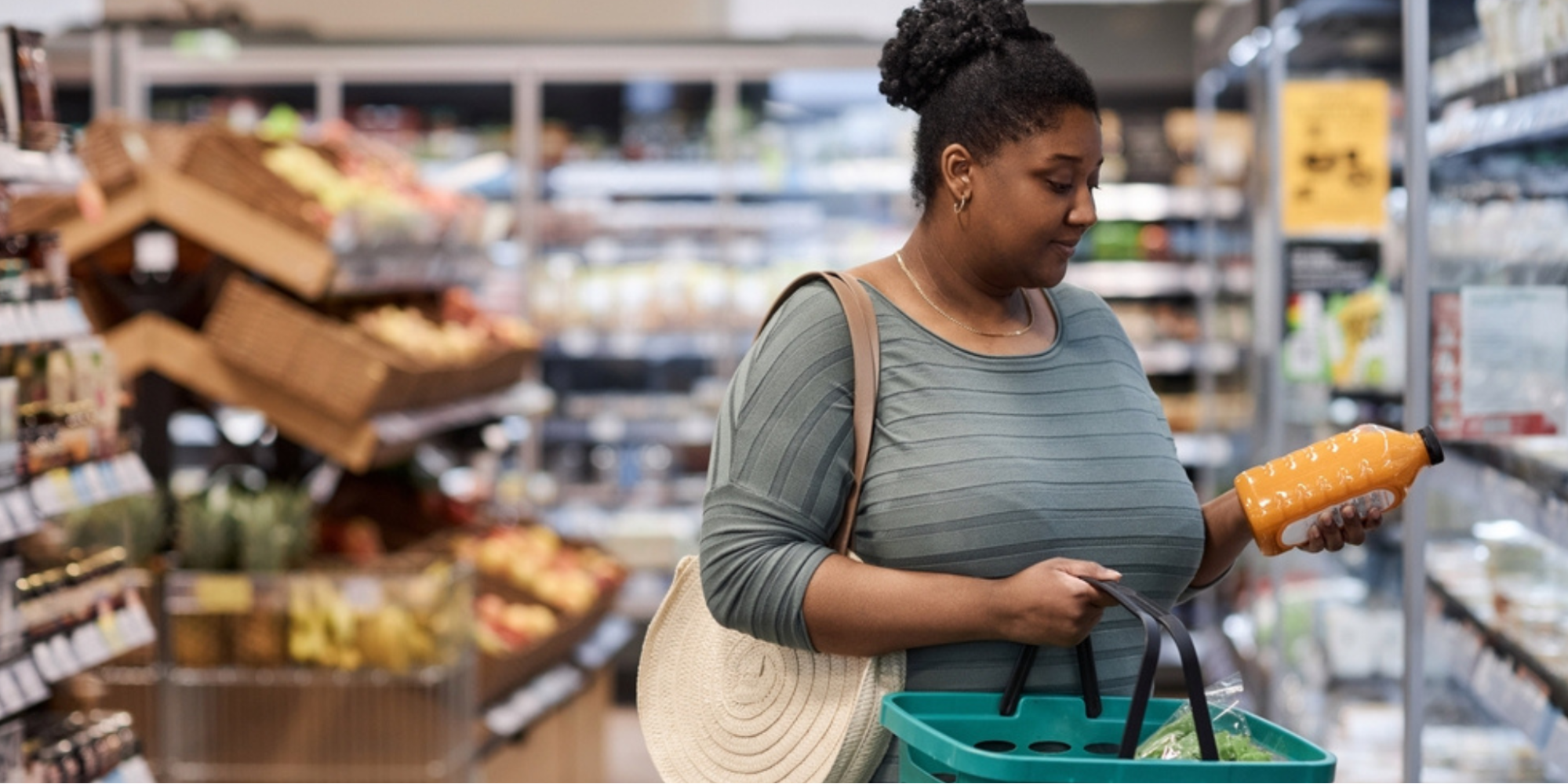
For many families, high blood pressure isn’t shaped in a doctor’s office. It’s shaped in the grocery store. It’s shaped by what’s on sale, what’s nearby, what fits in the budget, and what’s fast enough to cook after a long day. When food prices rise and paychecks don’t, “eating healthy” to lower blood pressure can start to feel like a luxury rather than a necessity.
But here’s the quiet truth: some of the most powerful changes for blood pressure don’t require expensive superfoods or specialty diets. They start with small, realistic swaps in the pantry — the kinds that cost about the same, last just as long, and slowly change what’s happening inside your blood vessels.
For Black and Brown communities, where high blood pressure develops earlier and causes more harm, these everyday choices matter even more.1 And they have to be practical, affordable, and sustainable.
What Blood Pressure Actually is, in Plain Language
Blood pressure is the force of blood pushing against the walls of your arteries every time your heart beats.2 Your heart pumps. Your blood vessels carry. Your kidneys help regulate how much fluid stays in your system. Your nervous system helps tighten or relax those vessels based on what your body needs.2
When everything is working well, this system keeps oxygen flowing smoothly to your brain, kidneys, heart, and muscles.2 But when blood pressure stays high for too long, that constant pressure begins to damage the lining of the arteries.2 Over time, the vessels become stiff and narrow, making it harder for blood to flow. This raises the risk of heart disease, stroke, kidney failure, and even memory problems.2
What we eat plays a major role in this process. Sodium, added sugars, and highly processed foods increase fluid retention, inflammation, and vessel stiffness. On the other hand, foods rich in potassium, fiber, and healthy fats help blood vessels relax and work more efficiently.3
Why Nutrition Matters So Much for Blood Pressure
Blood pressure is not just a medication issue. It’s a daily chemistry issue. Every meal either pushes pressure up or helps bring it down.
Diets high in sodium (salt), refined carbohydrates, and ultra-processed foods cause the body to hold onto water, increase inflammation, and strain the kidneys. Over time, this makes blood pressure harder to control, even with medication.3
Meanwhile, diets built around whole grains, beans, fruits, vegetables, and simple proteins do the opposite. They help the body release excess sodium, improve vessel flexibility, and reduce the workload on the heart.3
This is the foundation of well-known approaches like the DASH diet, but you don’t need a new diet plan. You need smarter versions of the foods you’re already buying.3
Cost of Living, Food Deserts, and Daily Tradeoffs
For many families, what ends up on the dinner table is not driven by nutrition advice or good intentions. It is driven by geography, time, and money.4
In large parts of the country, especially in predominantly Black and Brown neighborhoods, it is far easier to find a fast-food restaurant or corner store than a full grocery store.4 Fresh fruits and vegetables may require a long bus ride or a car that not everyone has access to. When they are available, they are often more expensive, less fresh, and don’t last as long. Meanwhile, boxed meals, canned foods, instant noodles, chips, and frozen dinners are cheap, filling, and everywhere.4
This means many households are forced into a kind of constant tradeoff: stretch the budget and feed everyone, or try to chase healthier options that don’t always feel realistic. When rent is due, gas prices are up, and time is limited, convenience usually wins. That is not a personal failure. It is a structural one.4
That is exactly why improving what’s in the pantry is one of the most powerful and realistic ways to support blood pressure. You don’t need specialty stores, expensive ingredients, or perfect meals. You need better versions of the same staples you already rely on.4
So what does that look like in real life? It starts with a few simple, affordable swaps you can make right now.
Healthy Food Swaps That Won’t Break The Bank
Swap #1: Regular Rice → Brown Rice or Parboiled Rice
White rice spikes blood sugar quickly and offers very little fiber, which means it doesn’t do much to support heart or blood vessel health.5 Brown rice and parboiled rice keep more of the grain intact, so they contain more fiber and nutrients that help slow digestion, keep blood sugar steadier, and support healthier blood pressure over time.5 These options still work with the same meals you already cook like beans, stews, chicken, or vegetables, but they place less strain on the body.5
Why it helps: Fiber helps blood vessels stay more flexible, improves insulin sensitivity, and reduces the blood sugar swings that can worsen hypertension over time.5
Cost tip: Buy in bulk bags when possible. The cost per serving is often the same as white rice, and sometimes even cheaper, especially at big-box or discount grocery stores.
Swap #2: Canned Soup → Low-Sodium Canned Soup or Simple Homemade Soup
Many regular canned soups contain most or even all of a day’s recommended sodium in a single serving. Too much sodium causes the body to hold onto water, which raises blood pressure and puts extra strain on the heart and kidneys.5 Low-sodium versions use the same ingredients but with far less salt, and simple homemade soups let you control exactly what goes in.5
Why it helps: Reducing sodium is one of the fastest ways to lower blood pressure and reduce fluid retention.5
Cost tip: Low-sodium canned soups usually cost the same as regular versions. Making soup at home with frozen vegetables and a rotisserie chicken can stretch into several meals for very little money.
Swap #3: Sugary Cereal → Oats or Low-Sugar Cereal
Sugary cereals cause quick spikes in blood sugar and leave you hungry again soon after eating. Oats and low-sugar cereals digest more slowly, keep you full longer, and support steadier energy and better blood pressure control throughout the day.5
Why it helps: Oats are high in soluble fiber, which helps lower both cholesterol and blood pressure over time.5
Cost tip: Large containers of oats are one of the cheapest breakfasts in the store and can last for weeks.
Swap #4: Chips → Popcorn, Nuts, or Roasted Chickpeas
Chips are typically high in sodium and offer very little nutrition. Unsalted popcorn, nuts, or roasted chickpeas still give you something crunchy and satisfying but with far less salt and more fiber or healthy fats.
Why it helps: Lowering sodium and increasing fiber helps reduce blood pressure and supports healthier blood vessels.5
Cost tip: Buying popcorn kernels or dried beans in bulk is much cheaper per serving than bags of chips.
Swap #5: White Bread → Whole Wheat or Whole Grain Bread
White bread is made from refined grains that digest quickly and don’t provide much fiber.5 Whole wheat and whole grain breads keep more of the grain intact, which supports better blood sugar control and heart health.5
Why it helps: Whole grains reduce inflammation and help improve the flexibility of blood vessels over time.5
Cost tip: Store-brand whole wheat bread is usually the same price as white bread.
Swap #6: Sugary Drinks → Water, Tea, or Infused Water
Sugary drinks raise insulin levels, contribute to weight gain, and make blood pressure harder to control. Replacing them with water or unsweetened tea reduces sugar intake immediately and helps the body regulate fluid balance more effectively.5
Why it helps: Cutting sugar and staying hydrated both support healthier blood pressure and kidney function.5
Cost tip: Add lemon, cucumber, or frozen fruit to tap water for flavor instead of buying sweetened drinks.
A Call to Action
Lowering blood pressure doesn’t start with perfection. It starts with one better choice at a time, made in the context of real life, real budgets, and real kitchens.
If you or your family are managing high blood pressure, start by changing what’s easiest: your pantry. One swap this week becomes two next month. Over time, these changes add up to real protection for your heart, brain, and kidneys.
Inside the NOWINCLUDED app, join the conversation: What pantry swap are you planning to try this week or what budget-friendly meal are you making next?
Your ideas can help someone else eat better without spending more.
References
- AHA. (2025, August 14). High Blood Pressure Among Black Adults. Retrieved from American Heart Association: https://www.heart.org/en/health-topics/high-blood-pressure/know-your-risk-factors-for-high-blood-pressure/high-blood-pressure-among-black-adults
- AHA. (2025, August 14). What is High Blood Pressure? Retrieved from American Heart Association: https://www.heart.org/en/health-topics/high-blood-pressure/the-facts-about-high-blood-pressure
- AHA. (2024, May 22). Managing Blood Pressure with a Heart-Healthy Diet. Retrieved from American Heart Association: https://www.heart.org/en/health-topics/high-blood-pressure/changes-you-can-make-to-manage-high-blood-pressure/managing-blood-pressure-with-a-heart-healthy-diet
- Stowers, K. C., Jiang, Q., Atoloye, A. T., Lucan, S., & Gans, K. (2020). Racial Differences in Perceived Food Swamp and Food Desert Exposure and Disparities in Self-Reported Dietary Habits. International Journal of Environmental Research and Public Health. doi:10.3390/ijerph17197143
- Aljuraiban, G. S., Gibson, R., Chan, D., Horn, L., & Chan, Q. (2024). The Role of Diet in the Prevention of Hypertension and Management of Blood Pressure: An Umbrella Review of Meta-Analyses of Interventional and Observational Studies. Advances in Nutrition. doi:https://doi.org/10.1016/j.advnut.2023.09.011