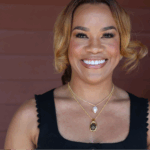
By the time Veronica Riley tells you she experienced pre-eclampsia during seven pregnancies, the number alone lands heavy. But the weight of her story doesn’t come from statistics. It comes from what followed.
Hospitalizations lasting weeks. Blood pressure crises starting at just 18 years old. Swelling so severe it reshaped her body. Years spent pregnant or recovering, while raising children, working full time, and navigating a healthcare system that often treated symptoms without asking why they kept returning.
On this episode of Unfiltered, Veronica doesn’t just recount medical events. She names the emotional cost of surviving them.
“I was basically pregnant for ten years straight”, she says, half-joking. But the consequences were anything but light. After her children were born, Veronica suffered a stroke. Later came a massive blood clot in her neck and shoulder, one that went undiagnosed for months because, as she was told, “people don’t get blood clots there”.
Her response still echoes: “I’m not normal. Please check it anyway”.
When Being Believed Becomes the Hardest Part
A recurring theme in Veronica’s story is not a lack of care, but a lack of belief.
Doctors dismissed neurological symptoms as depression. Pain was normalized. Red flags were minimized. Even the protein-S deficiency that explained her repeated pre-eclampsia was discovered almost incidentally, thanks to one physician who decided to look deeper.
Her experience mirrors a documented reality. Research published in the Proceedings of the National Academy of Sciences found that a significant portion of medical trainees and providers still hold false beliefs about biological differences between Black and white patients—beliefs that directly influence pain assessment and treatment decisions.1
The result is that Black patients, particularly Black women, are more likely to have their pain underestimated, their symptoms dismissed, and their concerns delayed rather than investigated.1
“It feels like a lot of doctors treat symptoms,” Veronica explains, “but don’t always look for the root cause.”
Over time, the system itself became exhausting. Veronica describes the quiet burnout that follows years of appointments, tests, and being told nothing is wrong when your body is telling you otherwise. Rather than fully trusting or rejecting healthcare, she learned to use it as a tool, one piece of a broader approach to survival.
That strategy, born of necessity, is familiar to many Black women navigating chronic illness and maternal risk.
Caregiving on Both Sides of the Hospital Bed
Just as Veronica’s own health journey demanded resilience, she found herself stepping into another role: caregiver to her sister.
Despite a disciplined lifestyle—plant-forward eating, consistent exercise—her sister suffered sudden, severe heart failure at 48. A triple bypass wasn’t enough. An Impella heart pump followed. Within a week, she was placed on the transplant list. She received a new heart days later.
The moment reframed everything Veronica had lived through. Lifestyle choices had kept her sister alive long enough, she believes, but medicine ultimately saved her life.
“Sometimes,” Veronica says, “it requires both”.
Today, her sister is back at work as a hospice nurse, celebrating each “heartversary” with gratitude. Veronica’s caregiving instincts, sharpened through her own medical battles, became a lifeline, down to preparing food that supported healing during long hospital stays.

Redefining Health Beyond the Exam Room
When asked how she approaches health now, Veronica’s answer is expansive and deeply intentional.
Health is not just what happens at the doctor. It begins with stress, work, relationships, finances, food, and joy. She describes turning her life “upside down,” choosing alignment over accumulation, peace over pressure.
“If it’s not for you,” she says plainly, “don’t do it”.
Her guiding metaphor is simple and powerful: be a sunflower. Bring joy. Seek light. Increase quality of life, not just longevity. Joy, she reminds us, is not indulgent. It is physiological. It shapes serotonin levels, resilience, and how long we can keep going.
Why This Episode Matters
Veronica Riley’s story sits at the intersection of Black maternal health, heart disease risk, caregiver responsibility, and systemic gaps in care, and the data behind these disparities underscores just how urgent those issues are. Research shows that Black women are 60% more likely to develop preeclampsia than white women in the United States,2 a serious hypertensive pregnancy complication linked to long-term heart risk and maternal morbidity.2
Even more starkly, Black women in the U.S. are three to four times more likely to die from pregnancy-related complications than white women, regardless of income or education.3
These outcomes don’t happen in a vacuum — they are shaped by decades of structural inequity, differential treatment in clinical settings, and barriers to quality care.
Veronica’s experiences, from being told her symptoms were “not real”, having pain minimized, and repeatedly needing to fight for appropriate testing, reflect research showing that our pain is more likely to be underestimated and undertreated due to persistent false beliefs about biological differences and implicit bias in healthcare.1
This episode matters because it names what numbers alone cannot: the emotional and physical cost of being responsible for everyone else while continually advocating for your own health. It challenges the notion that medical mistrust is irrational, showing instead that mistrust often grows from real encounters with disbelief, dismissal, and systemic barriers.
More than a personal story, Veronica’s journey highlights a pattern that affects countless Black women — and points to why health equity isn’t an abstract ideal but a matter of life and death.
Join the Conversation
What does it mean to advocate for your health when the system has burned you out?
How do you balance medical care with lifestyle, rest, and joy?
And who gets to be a caregiver for the caregivers?
These are the questions Episode 6 invites us to sit with. Join the conversation inside the NOWINCLUDED app, where lived experience is honored, stories are shared without judgment, and no one has to navigate their health journey alone.
References
- Hoffman KM, Trawalter S, Axt JR, Oliver MN. Racial Bias in Pain Assessment and Treatment recommendations, and False Beliefs about Biological Differences between Blacks and Whites. Proceedings of the National Academy of Sciences. 2016;113(16):4296-4301. doi:https://doi.org/10.1073/pnas.1516047113
- Preeclampsia – Preeclampsia Foundation Racial Disparities Task Force Creates Action Plan. Preeclampsia Foundation – Saving mothers and babies from preeclampsia. Published 2024. https://www.preeclampsia.org/the-news/community-support/preeclampsia-foundation-racial-disparities-task-force-creates-action-plan
- Howell E. Reducing disparities in severe maternal morbidity and mortality. Clinical Obstetrics and Gynecology. 2018;61(2):387-399. doi:10.1097/grf.0000000000000349