When you hear “IV hydration,” you might think glow-ups, drip lounges, and social media aesthetics. Alma Austin thinks of something very different: chemo patients too weak to drive, Black families quietly battling chronic disease, and women grinding themselves into burnout because nobody taught them that rest counts as work.
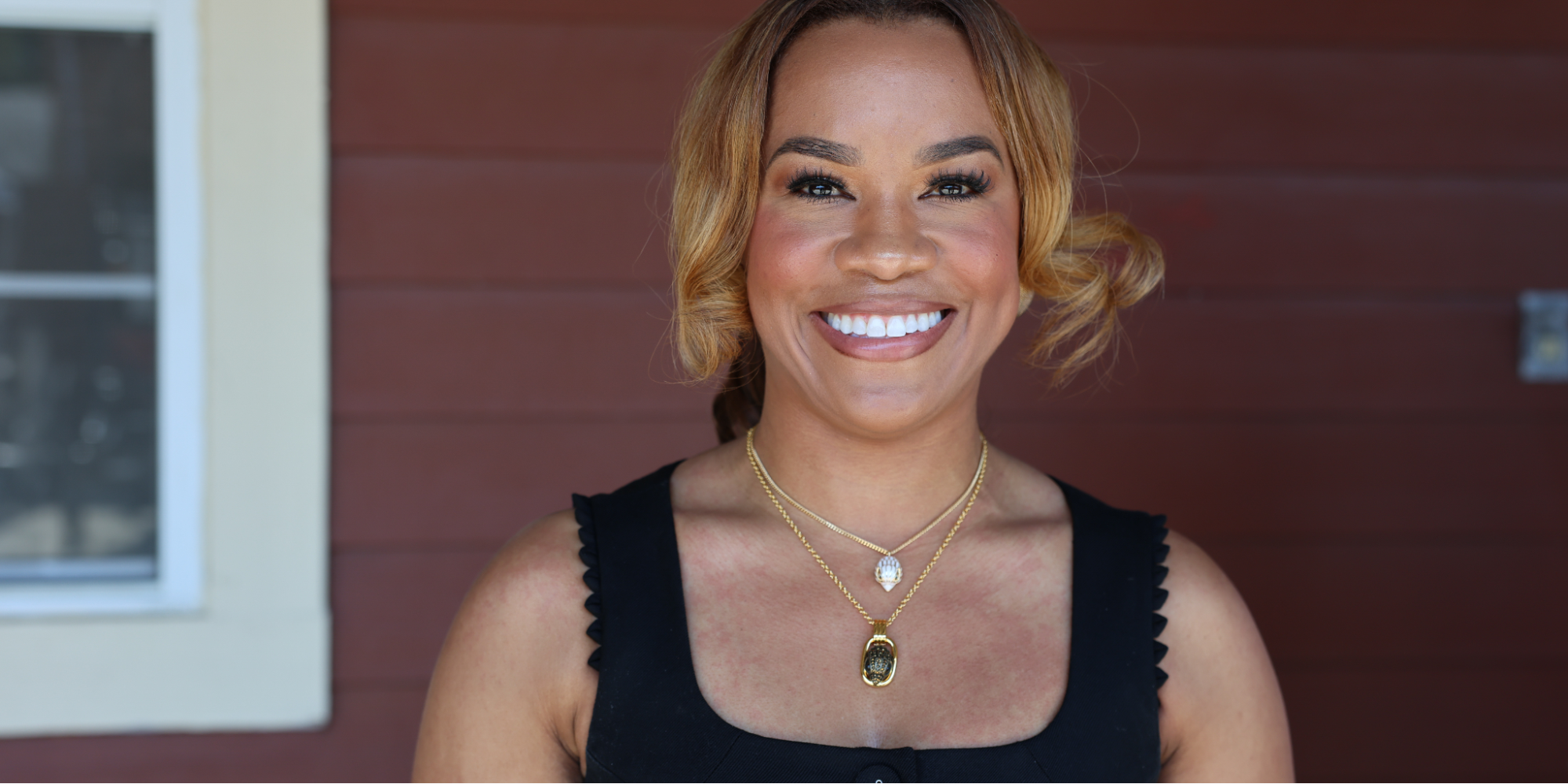
On this episode of the Unfiltered podcast, host Tiffany Whitlow sits down with her real-life cousin, Alma Austin, RN, founder of Quench Hydration. Together, they trace Alma’s journey from ER trauma nurse to medical device sales rep to the owner of a mobile hydration company that brings care directly into people’s homes, especially those navigating cancer and chronic illness.
It’s a story about water, yes. But it’s also about fear, faith, boundaries, generational wealth, and the courage it takes to build something that serves your community and still preserves your sanity.
From ER Trauma Nurse to Hydration Founder
Alma didn’t start in wellness from a branding perspective. She started in crisis. As an ER trauma nurse, she inserted IVs into almost every person who came through the doors. Later, in medical device and pharmaceutical sales, she sold the very bags and tubing that kept patients stable.
Those two worlds, hands-on clinical care and behind-the-scenes systems, eventually collided.
“What I saw was the combination of my ER experience with my selling skills, and I married those together… I decided, okay, I’m going to start doing IV hydration”.
Quench Hydration was born from that intersection: a nurse who understood the science, a salesperson who understood operations and compliance, and a Black woman who understood how often her community is left out of both.
Doing It Scared
For Alma, entrepreneurship didn’t arrive in a neat career pivot. It came with five years of wrestling.
She had the idea. She had the skills. What she didn’t have was certainty. “I struggled for about five years with the idea… because I couldn’t figure out how I was going to sustain myself financially and go into business in a space that I knew nothing about — how that was going to provide for me and my family”.
When Tiffany asks what she would tell someone sitting on their own big idea, Alma doesn’t sugarcoat it:
“You’re going to have to do it scared… It’s never going to be the right time.”
Her advice is blunt and tender at the same time: surround yourself with people who believe in you, who will be your first customers and your loudest cheerleaders when the path is unclear. Community isn’t just emotional support in Alma’s story; it’s infrastructure.
Hydration as Health Equity, Not Just “Glow”
Hydration has been marketed as a lifestyle accessory. Alma reframes it as public health. She points to a significant reality: widespread suboptimal hydration is a common issue for many Americans, and the challenge is often exacerbated in Black and Brown communities due to long-standing systemic disparities.1
Behind this reality are layered health challenges, including high rates of high blood pressure, diabetes, autoimmune conditions, and vitamin deficiencies.1 Overcooked foods and nutrient-poor diets are also a part of the story, as is limited access to consistent, high-quality care.1
IV hydration, in Alma’s model, becomes a way to:
- Deliver 100% of needed vitamins and nutrients directly into the bloodstream.
- Support patients going through chemotherapy, chronic illness, or extreme fatigue.
- Help address underlying deficiencies that aren’t fixed by a single glass of water.
The “glow” is a side effect. The real work is happening underneath the skin, in support of bodies that have been overworked, under-resourced, and often overlooked.
A Mobile Model Built for People on the Margins
Early in her journey, Alma noticed a gap: the very people who could benefit the most from IV hydration often couldn’t physically get to a clinic.
People with cancer in active treatment. People dealing with nausea, vomiting, and weakness. Folks trying to keep working and caregiving while fighting for their lives.
“A lot of those patients, they’re not healthy enough or well enough to travel to me… I created a model where when they book, we come straight to them.”
Quench Hydration’s mobile model is intentionally designed around dignity and convenience. No long commutes while sick. No extra step when you already feel like you’re at your limit. Alma sees it as part of a broader philosophy: healthcare should meet people where they are, not demand that they push past their limits to be seen.

Breaking Into a Space That Wasn’t Built for Her
The path to launching Quench was not straightforward, especially as a Black woman trying to enter a highly regulated space. When Alma began calling around, looking for guidance on laws and requirements, she hit wall after wall.
“I made a lot of phone calls… I got no answers. No one was willing to talk about it. They were telling me, ‘Oh, you’ve got to be this.’ And I’m like, I want to be the owner… tell me how to create it”.
She turned to her own village: family members who are attorneys, mentors who understood state medical regulations, and her own persistence. Together, they dug into rules, compliance, and structure until Quench could stand on solid ground.
Now, having done that work, Alma refuses to pull the ladder up behind her. “I’ve had other Black women who wanted to be in this space, and I will show them how to do it. I don’t charge them for it… I will create a table for you”.
For Alma, representation is not just symbolic. It’s a strategy — building a pipeline of compliant, community-rooted wellness businesses that aren’t gatekept from the inside.
Doing It Scared, But Not Alone
For Alma, “doing it scared” doesn’t mean doing it alone.
She is clear that her village made Quench possible — family, friends, mentors, and clients who believed in her before the business fully existed. They were her first customers, her early advocates, and the people she could lean on when the path felt uncertain.
“You have to have a very supportive team,” she says. “Those are the ones who are going to support you first”.
Tiffany echoes this on the episode, reminding listeners to tap into the people who are already in their lives: “Those people who were supporting you early on, they were going to support you whether you failed or you win — because failure might come to either of us tomorrow”.
Alma also used time strategically. During the pandemic, when her corporate job slowed down, she used that window to quietly build Quench. She never fully left her main job, but she built a model that could “run itself,” with a team and systems in place so she could step in and out as needed.
The next chapter? Franchising. Not just to grow, but to build something bigger than a single income stream.
Her motive is simple and deeply rooted. “Generational wealth,” she says. “I didn’t have it, and I want to build it for my kids”.
Motherhood, Boundaries, and Redefining “That Girl”
Alma is not interested in the version of wellness that tells Black women to grind harder and sleep later. Her daughters are her barometer. They watch everything: how she works, how she cares for herself, and where she sets boundaries. “They see me every day working hard. They see me every day taking care of myself too”, she says.
Early on in the business, Alma said yes to everything. She worked seven days a week until another woman entrepreneur intervened and gave her simple, needed advice: pick one day that is just for you.
It changed everything. “Some of those boundaries is saying no,” Alma says. “If you don’t do that, you’re going to burn out really fast”.
For Alma, travel is one of her strongest boundaries. Physically leaving town is the only way she can truly disconnect from the constant pull to show up for every client, text, and request. It’s not escapism. It’s maintenance.
“I will overdo it,” she admits. “Being a people pleaser and wanting people to be happy around me — you have to create those boundaries so that you can be there even for yourself.”
Her closing wisdom is simple and sharp: “Rest is productive. Don’t ever feel like taking a break, taking time for yourself, and just doing what is necessary for you is not productive.”
Why This Episode Matters
This episode sits at the intersection of health equity, entrepreneurship, and mental well-being in a way that feels especially important for Black and Brown communities.
It matters because:
- Dehydration is a hidden epidemic. Alma reminds us that most Americans are walking around dehydrated, and that the stakes are even higher for communities already carrying a disproportionate burden of a chronic condition.1
- Access to care is about logistics, not just knowledge. A chemo patient who can’t stand without vomiting isn’t going to drive across town for a wellness service. Quench’s mobile model is a tangible example of meeting people where they are — literally.
- Black women founders are often shut out of information, not just capital. Alma’s struggle to get clear answers about compliance shows how opaque systems can keep women of color out of whole industries. Her choice to “create a table” for others directly challenges that.
- Rest and boundaries are not optional extras. For caregivers, business owners, and mothers, this episode reframes rest as a core health strategy, not a reward you earn after burning out.
- “Do it scared” is an honest blueprint. Alma doesn’t pretend she waited until she felt ready. She moved with fear, not after it. That message is vital for anyone sitting on an idea, waiting for a perfect moment that may never come.
Join the Conversation
Hydration is one entry point. The deeper question is: how are you caring for yourself while you care for everyone else?
Inside the NOWINCLUDED app, we’re talking about: What “doing it scared” looks like in real life, How you’re setting boundaries to protect your time, body, and mind, and The small habits — like drinking more water or finally going to that appointment — that are changing your health story.
Listen to “You’re Gonna Have To Do It Scared” on Unfiltered, then come share your reflections, questions, and lived experiences.
Your health. Your story. Your power. And as always, we’ve saved you a seat.
References
- Robinson AT, Linder BA, Barnett AM, et al. Cross-sectional analysis of racial differences in hydration and neighborhood deprivation in young adults. The American Journal of Clinical Nutrition. 2023;118(4):822-833. doi:https://doi.org/10.1016/j.ajcnut.2023.08.005