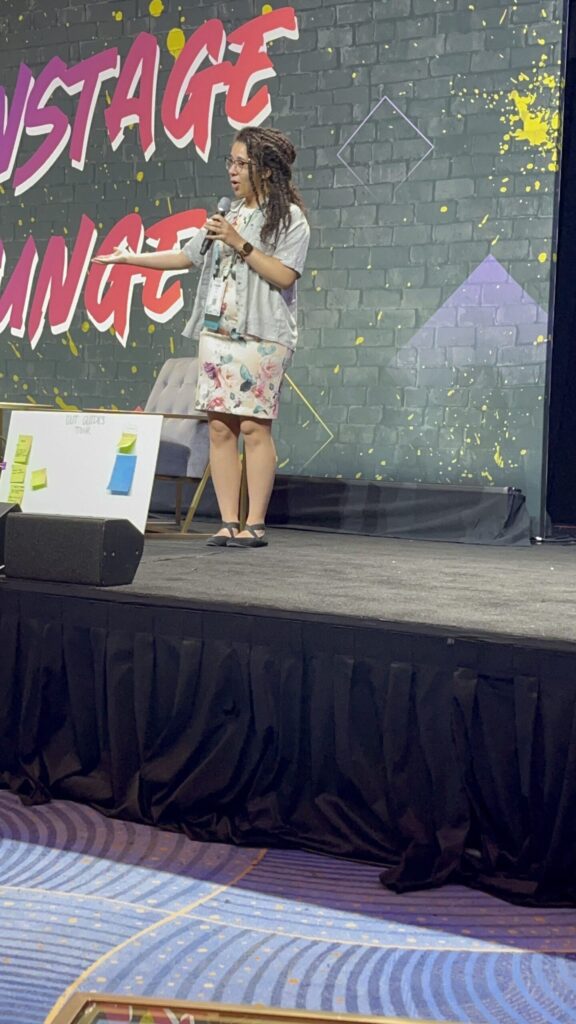
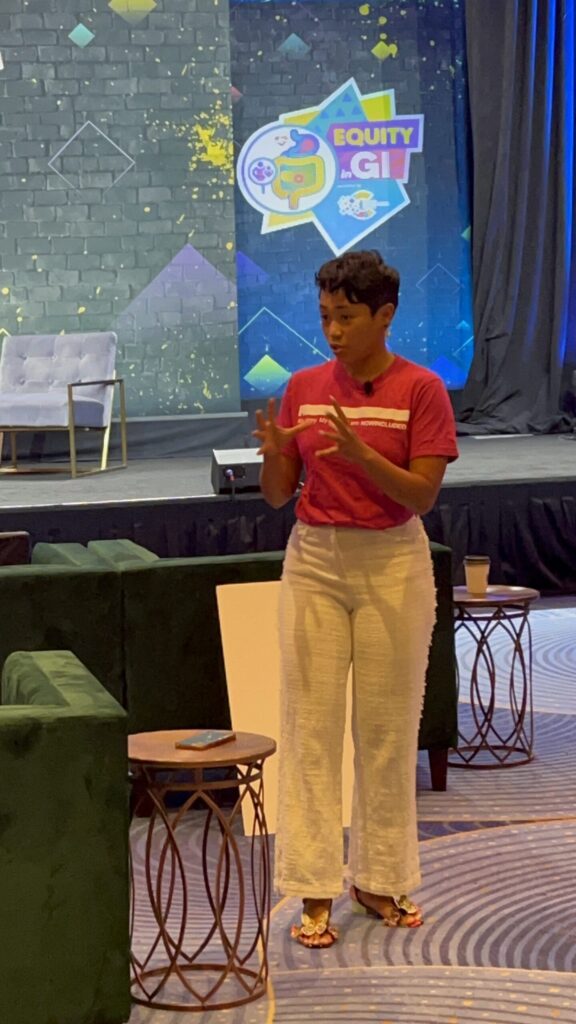
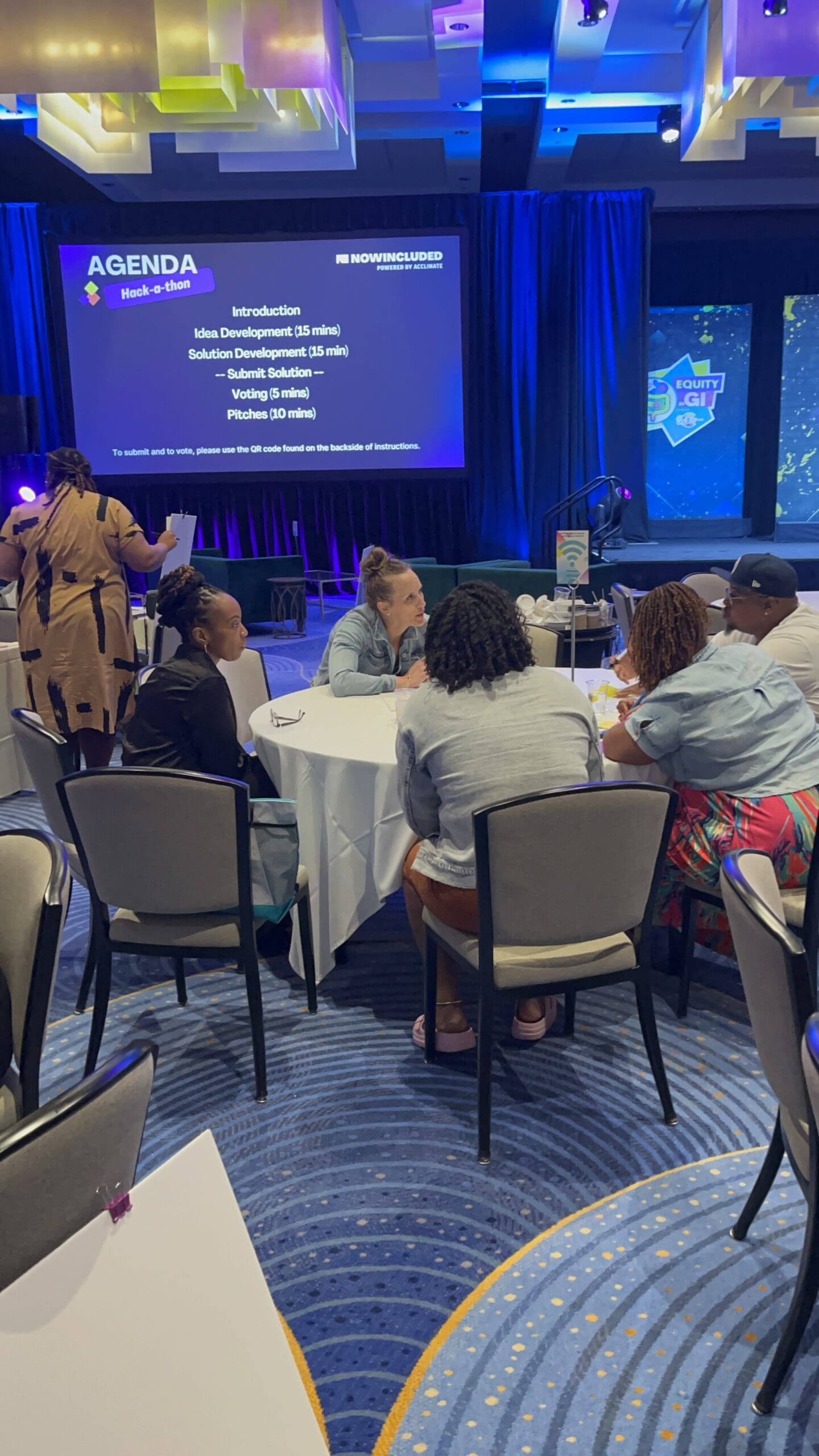
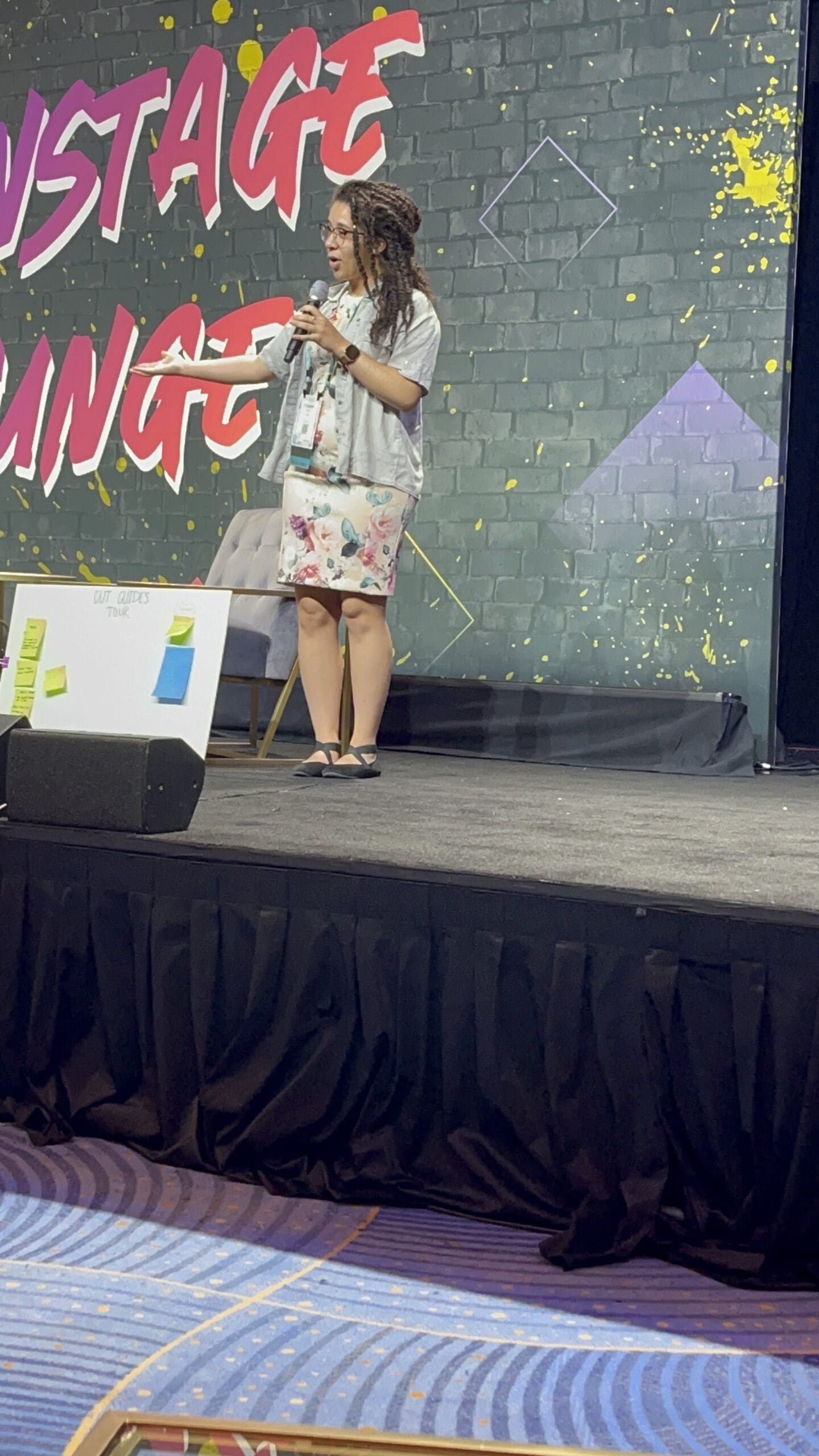
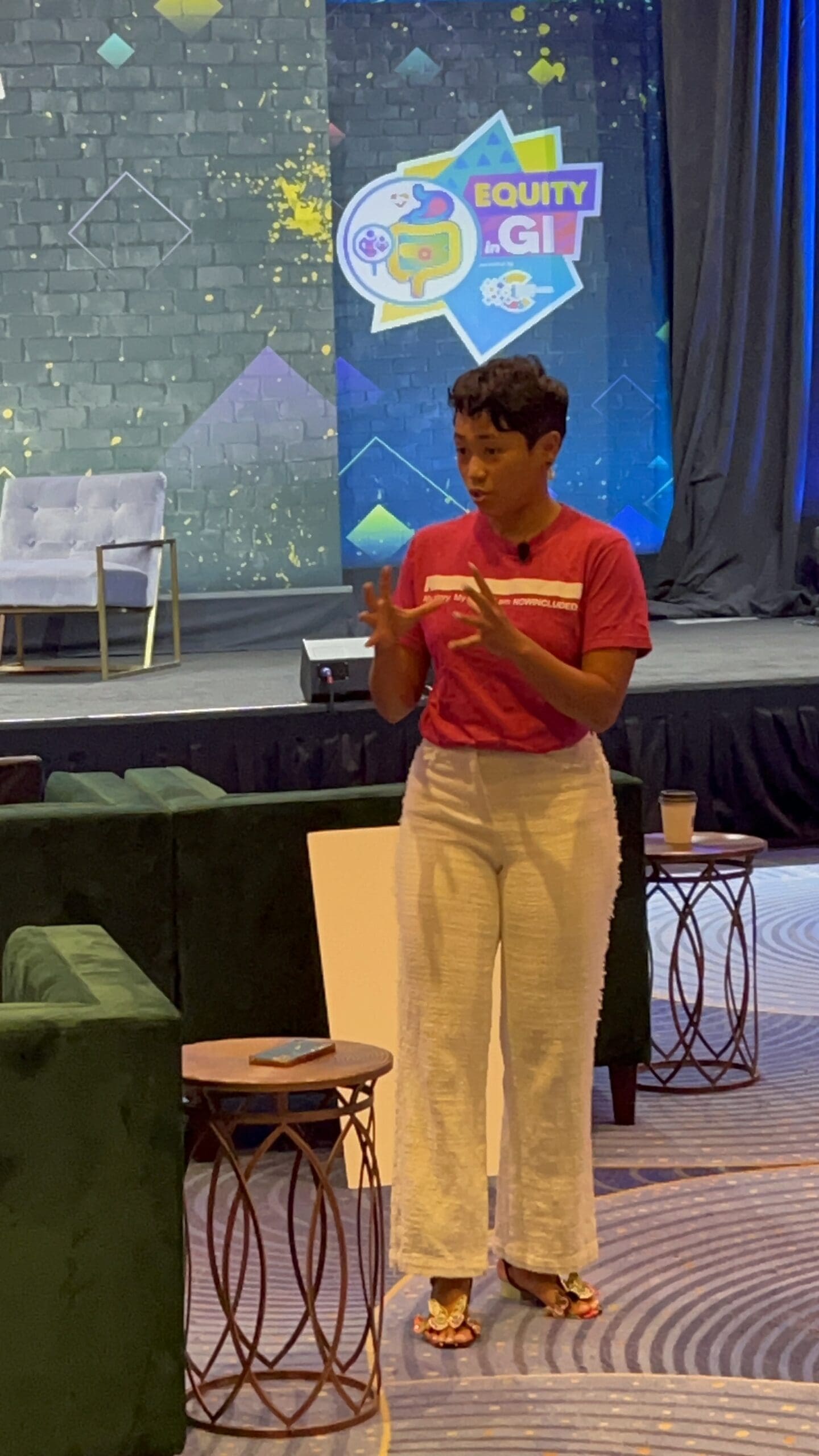
Check out the community-centered solutions discussed for increasing representation in gut health research.
Participants used their lived experiences as people living with gut conditions, advocates, and healthcare professionals to tackle five key areas of clinical research.
Thank you for sharing your perspectives with us! Check out a summary of what we gathered below.

We pulled together our favorite things: food, health education, and community, for informative panel discussions about MG.

We put participants in the shoes of people living with MG by simulating common MG symptoms to see how they’d react.

We put our community members’ knowledge to the test to see if they could spot MG symptoms in daily scenarios. 
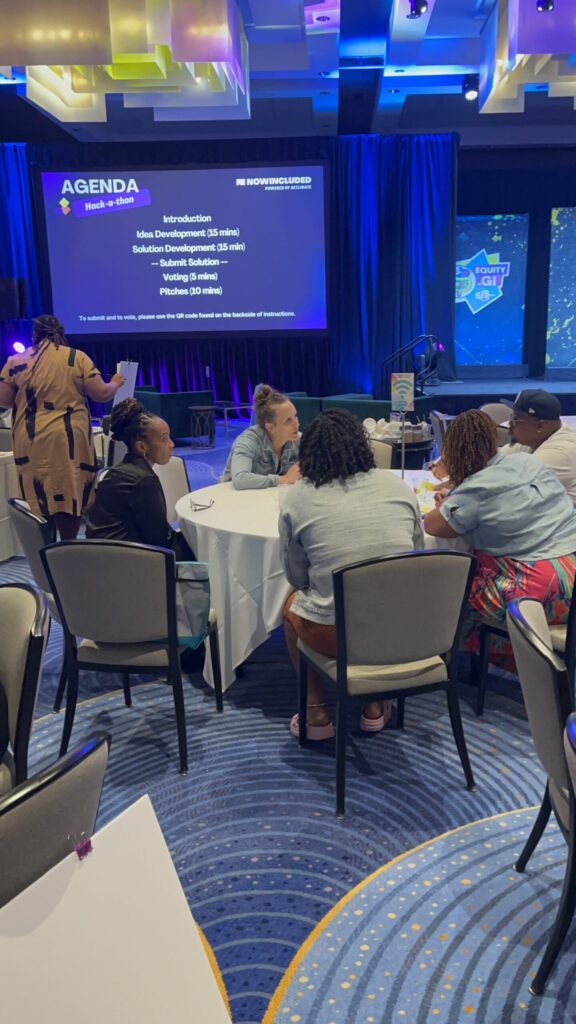


We wanted to hear from you on five main areas of interest when it comes to gut health research. Click on each section to learn more about the solutions proposed.
Some groups highlighted the potential of leveraging existing healthcare infrastructure (hospitals and health departments), social media platforms, and influencer marketing to raise awareness.
Other groups emphasized the need for frequent, relatable communication, and providing incentives to encourage participation.
Most groups focused on expanding the scope of research to include more populations and specific gut-related conditions. They also explored ways to reduce the financial burden on participants and improve communication through app updates.
The specific strategies proposed by groups were: partnering with faith-based communities, community partner meetings, survey assessments, educational resources, and testimonials from real-life participants.
The specific strategies proposed by groups were: app-based check-ins, monthly in-person meetings, a buddy system, and providing resources to overcome potential barriers to participation, such as transportation or technology access.
Groups discussed specific considerations such as data privacy and security to protect participant information, standardizing data collection across the board, gathering qualitative data (versus quantitative), and leveraging technology to identify patterns.
When asked if attendees would participate in clinical research…
Over 100K community members across the US are making a difference in their health. Are you ready to take action?
Already part of the community? Login here.