Bladder control after surgery can feel deeply personal. You may be healing from an operation, trying to get back into your normal routine, and suddenly worrying about whether you can laugh, cough, stand up, walk across the room, or make it to the bathroom in time.
For many people, bladder leaks are not just a physical issue. They affect confidence, sleep, intimacy, work, caregiving, travel, and the small daily freedoms that make someone feel like themselves again.
Bladder control problems are also more common than many people realize. Research shows that about half of all women experience urinary incontinence at some point, and as many as 1 in 3 men over age 65 may lose urine by accident.1
The good news is that gentle, consistent at-home exercises can help many people rebuild control over time, especially when paired with guidance from a surgeon, urologist, gynecologist, pelvic floor physical therapist, or primary care clinician.
This guide breaks down what the bladder does, why surgery can affect bladder control, and five at-home exercises that can help support recovery in a practical, low-cost way.
How The Bladder Works
The bladder is a hollow, stretchy, balloon-shaped organ that sits in the pelvis between the hip bones.2 Its job is to store urine until the body is ready to release it. The kidneys make urine, the ureters carry urine from the kidneys to the bladder, and the urethra is the tube that lets urine leave the body.2 A normal bladder can hold about 1.5 to 2 cups of urine.2
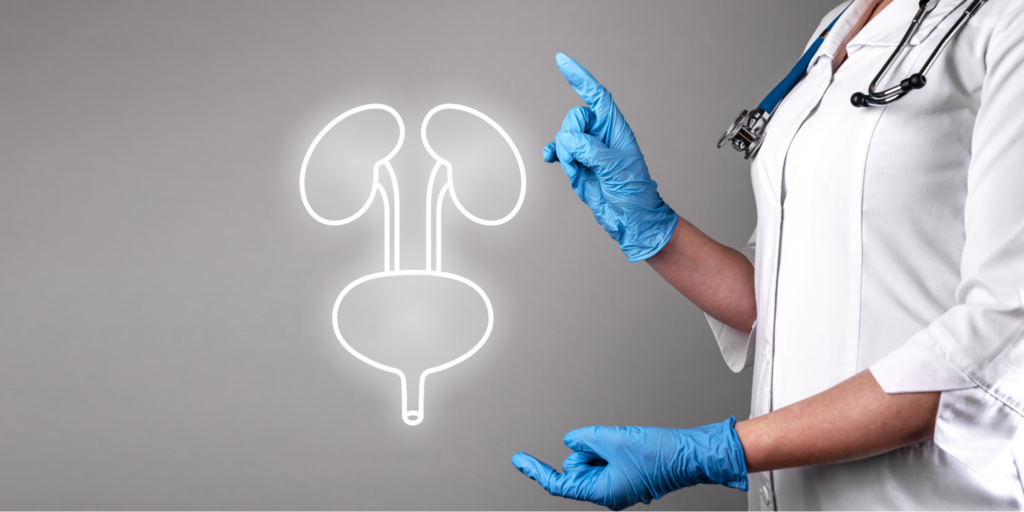
The bladder is a hollow, stretchy, balloon-shaped organ that sits in the pelvis between the hip bones.2 Its job is to store urine until the body is ready to release it. The kidneys make urine, the ureters carry urine from the kidneys to the bladder, and the urethra is the tube that lets urine leave the body.2 A normal bladder can hold about 1.5 to 2 cups of urine.2
Bladder control depends on teamwork. The bladder wall relaxes as urine fills the bladder. The sphincter muscles help keep the urethra closed so urine does not leak out. The pelvic floor muscles add support from below, almost like a hammock that helps hold the bladder, rectum, and other pelvic organs in place.2 When it is time to urinate, the brain sends signals for the bladder muscle to squeeze and the sphincter muscles to relax.2
When that system is disrupted, leaks can happen. Some people leak when they cough, sneeze, laugh, lift, stand, or exercise. That is often called stress incontinence. Others feel a sudden, strong urge to urinate and may leak before they reach the bathroom.1 That is often called urgency incontinence.1 Some people experience both.
After surgery, the goal is not to “force” the bladder into control. The goal is to help the bladder, pelvic floor, core, breath, and brain start working together again.
Common Surgeries Where The Bladder Might Be Impacted
Bladder control changes can happen after several types of surgery.3 That does not mean everyone will have bladder issues, and it does not mean bladder issues will be permanent.
It does mean people should know what to watch for and how to support recovery. Common surgeries where bladder function may be affected include:
- Prostatectomy (surgical removal of all or part of the prostate gland) or other prostate cancer procedures.
- Bladder cancer surgery
- Radical hysterectomy
- Gynecologic surgeries
- Pelvic organ prolapse repairs
- Stress urinary incontinence procedures
- Colorectal cancer surgery
- Abdominal or pelvic surgeries where the bladder, urethra, pelvic floor, or nearby nerves may be involved.
After these surgeries, some people notice leakage, urgency, or feel like they are urinating more often.3 These symptoms can be frustrating, but they are also worth tracking because they give your care team important information about recovery.
Before You Start: What Safe Practice Should Feel Like
Before starting any exercise after surgery, follow your discharge instructions and ask your care team when pelvic floor or core work is safe for you. This is especially important if you recently had abdominal surgery, pelvic surgery, cancer surgery, a catheter, surgical drains, stitches, or lifting restrictions.
These exercises should feel gentle. They should not cause sharp pain, heavy pelvic pressure, new bleeding, wound discomfort, fever, burning with urination, or a feeling that you cannot empty your bladder. If symptoms get worse, pause and contact your care team.
5 At-Home Exercises To Improve Bladder Control After Surgery
The exercises below are designed to help rebuild awareness, strength, timing, and control. They do not require equipment. A chair, bed, mat, or quiet corner is enough.
1) Diaphragmatic Breathing With Pelvic Floor Awareness
This is a good place to start because bladder control is not only about squeezing. It is also about learning how to relax, breathe, and coordinate the pelvic floor with the rest of the body.4
- Sit in a chair with both feet on the floor, or lie on your back with your knees bent.
- Place one hand on your chest and one hand on your belly.
- Breathe in slowly through your nose and let your belly and ribs expand.
- As you inhale, imagine the pelvic floor softening and relaxing.
- As you exhale, gently lift the pelvic floor muscles as if you are trying to hold in gas or stop urine from leaking.
- Hold the lift for only one or two seconds at first, then relax completely. Repeat for 5 to 8 breaths.
This exercise helps because many people grip their abdomen, buttocks, or thighs when they are trying not to leak. That can increase pressure on the bladder. Breathing helps calm the body and teaches the pelvic floor to move with control instead of tension.
2) Basic Pelvic Floor Contractions
Pelvic floor contractions, often called Kegel exercises, strengthen the muscles that help support the bladder and control urine flow.4
- To begin, sit or lie down with your bladder empty. Imagine you are trying to stop yourself from passing gas. You should feel a gentle squeeze and lift in the pelvic floor area. Try not to squeeze your thighs, buttocks, stomach, or chest.
- Hold the squeeze for 3 seconds. Then relax fully for 3 to 5 seconds.
- Repeat 10 times. If that feels like too much, start with 5 repetitions and build slowly.
A helpful routine is one set in the morning, one in the afternoon, and one in the evening.
3) Quick Flicks For Sudden Urges
Quick flicks are short, strong pelvic floor squeezes that may help when a sudden urge hits.4
- Sit or stand still. Take one slow breath. Quickly squeeze and lift the pelvic floor, then release.
- Repeat 5 times.
- Do not hold the squeeze. Think of it like a quick “on and off” signal.
When urgency hits in real life, try not to rush immediately. Rushing can sometimes make the urge feel stronger. Instead, stop, stand still or sit, breathe slowly, do 5 quick flicks, let the urge calm down, then walk to the bathroom at a normal pace.
This is especially helpful for people who feel like they have to run to the bathroom as soon as the urge appears. The goal is to teach the bladder and brain that urgency does not always have to control the moment.
4) Heel Slides With A Gentle Pelvic Brace
After surgery, bladder leaks often happen during movement because the body is trying to manage pressure. A heel slide helps reconnect the pelvic floor, lower belly, hips, and breath without requiring a large movement.4
- Lie on your back with your knees bent and feet flat. Breathe in and relax.
- As you breathe out, gently lift the pelvic floor and lightly draw the lower belly inward, as if you are zipping up from the pelvis to the belly button.
- Slowly slide one heel forward along the floor or bed, then slide it back. Relax completely before switching sides.
- Start with 5 slides on each side. Move slowly. If you feel pain, pressure, pulling at an incision, or heaviness in the pelvis, stop and return to breathing only.
This exercise is not about working hard. It is about coordination. The bladder is more supported when the pelvic floor and core can gently turn on before the body moves.
5) Sit-To-Stand Bladder Control Drill
Many people leak when they stand up, lift something, cough, sneeze, laugh, or move quickly. This exercise teaches the body to gently brace before movement.4
- To start, sit in a sturdy chair with both feet on the floor.
- Take a breath in. As you exhale, gently lift the pelvic floor.
- Keep that gentle lift as you stand up slowly. Once you are standing, relax the pelvic floor.
- Sit back down and repeat.
- Start with 5 repetitions. If it feels comfortable, work up to 10.
You can also use this same idea before coughing, sneezing, or lifting something light: breathe in, gently lift the pelvic floor as you exhale, then cough, sneeze, or move. This is sometimes called learning to “brace before effort.” It matters because leaks often happen when pressure inside the abdomen rises faster than the pelvic floor can respond.
Bladder Control After Surgery Exercise Guide Summary Table
|
Exercise
|
Best For
|
Visual Focus
|
|---|---|---|
|
Diaphragmatic Breathing |
Relaxing the system |
Ribcage expansion / Pelvic softening |
|
Basic Contractions (Kegels) |
Rebuilding strength |
The "Squeeze and Lift" motion |
|
Quick Flicks |
Fighting sudden urges |
Rapid "On/Off" muscle firing |
|
Heel Slides |
Coordination during movement |
Lower belly "Zipping" |
|
Sit-to-Stand Drill |
Leaks when standing |
"Bracing" before effort |
When To Pause And Check In With Your Care Team
Some bladder changes are expected after surgery, but certain symptoms deserve attention. Contact your care team if you cannot urinate, feel like your bladder is full but nothing comes out, have fever or chills, have burning when urinating, see blood in the urine, develop new back or abdominal pain, notice worsening leakage, or feel new pelvic pressure or pain.
You should also ask about pelvic floor physical therapy if symptoms are not improving, if you are unsure whether you are doing the exercises correctly, or if exercises cause pain.
Bladder Control After Surgery: Tips from Your NOWINCLUDED Community
Bladder control changes after surgery can feel frustrating, embarrassing, and disruptive, but they are not a personal failure. Your bladder, pelvic floor, nerves, and muscles may simply be recovering from a major physical event.
The first step is understanding what is happening. The next step is building small, repeatable habits that support healing without shame.
Inside the NOWINCLUDED app, you can find trusted, culturally aware health education that helps make topics like bladder control easier to understand and easier to talk about.
Use this guide as a starting point, keep track of your symptoms, and take one small step today toward feeling more confident in your body again.
References
- NIH. (2021, July ). Definition & Facts for Bladder Control Problems (Urinary Incontinence). Retrieved from NIH: National Institute of Diabetes and Digestive and Kidney Diseases: https://www.niddk.nih.gov/health-information/urologic-diseases/bladder-control-problems/definition-facts
- Cleveland Clinic. (2023, May 24). Bladder. Retrieved from Cleveland Clinic: https://my.clevelandclinic.org/health/body/25010-bladder
- Aleksandrov, A., Osorio, F., Khazali, S., Usta, T., Lemos, N., & Rabischong, B. (2025). Bladder dysfunction after advanced pelvic surgeries: neuropelveological strategies for prevention and management. Facts, Views and Vision in ObGyn. doi:10.52054/FVVO.2025.237
- Hinge Health. (2025, July 16). 6 Exercises for Incontinence to Reduce Leaks and Improve Bladder Control. Retrieved from Hinge Health: https://www.hingehealth.com/resources/articles/exercises-for-incontinence/