Disclaimer: This article has been researched using reputable medical sources but was not written by a healthcare professional. We hope it can help you start taking action toward better health, but meeting with a healthcare provider is recommended for guidance specific to your diagnosis and treatment. Product names in this article are examples only, not endorsements. NOWINCLUDED does not sell these products, and no brand paid to be included.
Lung cancer treatment can make everyday comfort feel complicated. Your skin may be sore from radiation. You may feel overheated one hour and chilled the next. Cold air can make you cough or feel short of breath. And your neck and shoulders may feel tight from stress and fatigue.
A simple neck wrap can help with some of these problems. But not every wrap is safe at every stage of treatment. This guide explains the best neck wraps for lung cancer care by need: soft neck wraps during radiation therapy, a cooling neck wrap for cancer patients who feel overheated, a heated neck wrap during cancer treatment for tight muscles, and a scarf for cold weather with lung cancer. It also covers what to avoid.
One rule comes first: ask your care team before using any wrap on your neck or chest, especially if you are having radiation. Skin in the treatment area needs extra care, and every team has its own rules.
Why Neck Wraps Can Help During Lung Cancer Treatment
The neck is a useful spot for comfort items. It is easy to reach, and a cooling or warming wrap there can change how your whole body feels. Neck wraps can also protect skin from the sun and warm the air you breathe in cold weather.
Here are the main reasons people reach for them during lung cancer care:
- Skin care. Radiation to the chest can affect the skin on the lower neck and upper chest. Soft, loose fabric protects skin from rubbing.¹
- Overheating. Some people have hot flashes or night sweats during cancer treatment. Cancer centers suggest cooling items, including cool packs on the back of the neck.²
- Muscle tension. Many people carry stress and tiredness in the neck and shoulders. Gentle warmth is often used for stiff muscles, but it must be used with care during cancer treatment.⁶
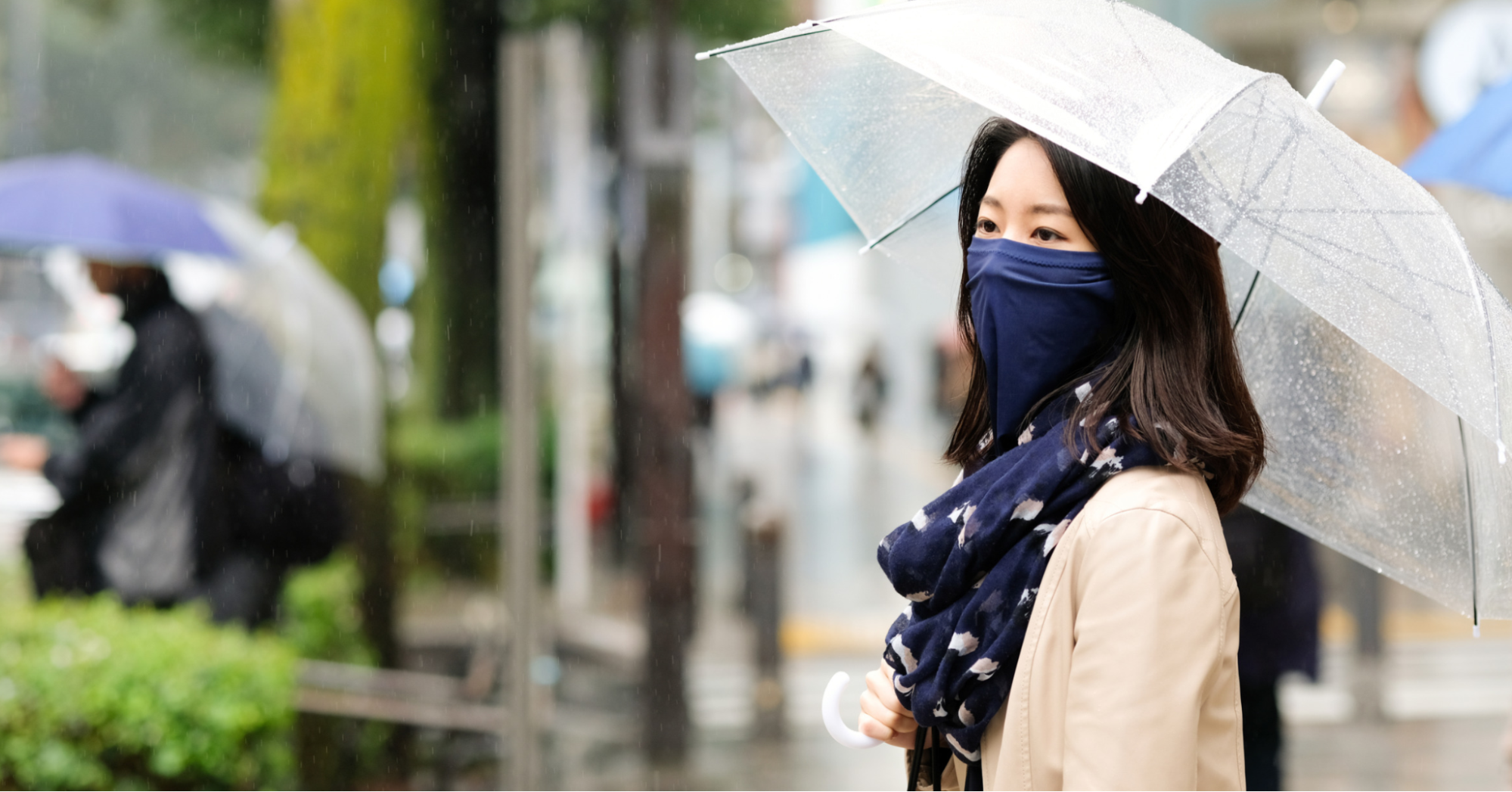
- Cold air. Cold, dry air can irritate sensitive airways and cause coughing and shortness of breath. Covering your nose and mouth with a scarf can help.⁴
What to Look for in a Neck Wrap for Lung Cancer Care
No matter the type, look for these features:
- Soft, breathable fabric, such as cotton. Cancer centers advise loose-fitting cotton over the radiation area.¹
- A loose fit. A wrap should never feel tight on your neck or chest, especially if breathing is already hard. Stop using it if it feels snug.
- No scratchy parts. Rough seams, stiff tags, and rough closures can rub sore skin.
- No adhesive or sticky parts on skin in the treatment area. MSK says not to put anything sticky on skin in the radiation area.¹
- No added scent. Fragrance can irritate sensitive skin.
- Easy to wash. Clean wraps are a good habit, especially during cold and flu season.
- Simple temperature control. For cooling and heated wraps, pick ones that stay mild. Extreme hot or cold raises the risk of skin damage.
Best Neck Wraps During Radiation Therapy: Soft, Loose, and Sun-Safe
If you are getting radiation to your chest, your radiation team may have special rules for the skin near it. That can include the lower neck. Memorial Sloan Kettering (MSK) gives these guidelines for skin in the treatment area:¹
- Wear loose-fitting cotton over the treatment area.
- Do not use anything very hot or very cold on the skin there. This includes hot water bottles, heating pads, and ice packs.
- Do not put anything sticky on the skin.
- Protect the skin from the sun. Use sunscreen and wear loose clothing that covers your skin, such as long sleeves and wide-brimmed hats. If you can, choose clothing with a UPF of 30 or higher.
What this means for neck wraps:
- Best pick: a soft, loose cotton scarf or neck wrap. It adds gentle coverage without rubbing.
- Best pick outdoors: a loose neck gaiter or scarf with a UPF label of 30 or higher. It helps protect treated skin from the sun. Radiation-treated skin needs sun protection for life.¹
- Skip: heated wraps and cold gel packs on the treatment area.
4 Examples of Sun-safe Neck Gaiters to Consider
These are examples, not recommendations. We looked for UPF 50+ fabric, a Skin Cancer Foundation recommendation or seal, soft fabric, and a range of sizes. No brand has tested its gaiter in people with cancer, so ask your radiation team before using one on treated skin. UPF fabric only protects the skin it covers.
- Coolibar Unisex La Plata UV Neck Gaiter: UPF 50+ lightweight stretch mesh. Coolibar was the first clothing brand to receive the Skin Cancer Foundation’s Seal of Recommendation.⁸ Sizes are S/M and L/XL. Reviews on the brand’s page average 3.3 out of 5, with comments about inconsistent sizing and thin fabric, so check the size chart.⁸
- Solbari Curved Face & Neck Gaiter UPF 50+: Made from the brand’s “Sensitive” fabric, which the brand describes as soft natural fibers. It is shaped to cover the lower face, neck, and chest, and the brand lists OEKO-TEX Standard 100 and Skin Cancer Foundation recommendations.⁹ Customer reviews mention good coverage after surgery, and some mention slow shipping and return costs, so check the size chart and return policy.⁹
- BUFF CoolNet UV neckwear: A seamless, stretchy tube with UPF 50 protection, sold as one size that fits most adults. The fabric has cooling and odor-control finishes, so people with sensitive skin may want to test it on a small area first. Skip the “Insect Shield” versions, which are treated with an insect repellent.
- UV Skinz Bamboo UV Neck & Face Covering: A soft, unisex bamboo-viscose gaiter with UPF 50+, sold in S/M and L/XL.¹² UV Skinz also makes clothing in sizes up to 4XL. Neck coverings are final sale with no returns or exchanges, so check the size chart first.¹²
Wash any new wrap before first use, and avoid ones with strong dye smells or scented fabric softener.
Radiation skin reactions can look different on darker skin. They may show up as darkening, tightness, or texture changes instead of redness. Tell your team about any change, even if the skin does not look red. (For more, read our guide: Best Lotions for Breast Cancer Care.)
Best Cooling Neck Wraps for Cancer Patients Who Feel Overheated
Hot flashes and night sweats are common side effects of some cancer treatments, including surgery, chemotherapy, and radiation.² If you feel suddenly hot, cooling the back of your neck can help.
Cancer centers suggest cool packs on the back of the neck and cooling pillows at night.² ³ Siteman Cancer Center also suggests an ice pack or a frozen water bottle on the back of the neck.³
When shopping for a cooling neck wrap, look for:
- A soft cover between the cold pack and your skin
- A cool, not icy, feel. You want comfort, not a cold burn.
- A wrap that stays put without tight straps
- Easy-clean material
Safety tips:
- Keep cold packs off skin in the radiation area. MSK says not to use ice packs there.¹
- Use a thin cloth between the pack and your skin.
- Limit use to short periods, and check your skin. Stop if it looks very red or white, or feels numb or painful.
- If you have numbness or tingling from treatment, ask your team before using cold on that area. Reduced feeling makes injury harder to notice.
Other ways to cool down include sipping cold water, wearing light layers, and keeping a fan nearby.²
Best Heated Neck Wraps During Cancer Treatment (and When to Skip Them)
Warmth can ease stiff, sore muscles. But heat is the riskiest type of neck wrap during cancer care, so this section is the most cautious one.
Cancer information sources warn against using heat on treated skin and over tumors, and say to check with your oncology team first.⁶ MSK also lists heating pads and hot water bottles among the things to avoid on the skin in the radiation area.¹
Skip a heated neck wrap if:
- Your neck, shoulder, or upper chest is in or near the radiation area
- Your skin is red, broken, blistered, or sore from treatment
- You have numbness or tingling in the area, which makes it harder to notice a burn
- You have a port, central line, or other device near your chest or neck. One spa-industry safety guide says to avoid direct heat on recently radiated skin and on sites with implanted devices⁷
- Your team has told you to avoid heat
If your team says it is okay, use these safer habits:
- Choose mild warmth, not hot, as higher heat raises burn risk without more benefit
- Use a cloth between the wrap and your skin⁶
- Use short sessions and check your skin often
- Look for auto shut-off on electric models
- Never fall asleep with a heated wrap on
- Heat microwavable wraps exactly as the label says, and test the temperature on your wrist first
If your neck is sore, ask about other options too, such as gentle stretching, a massage therapist with cancer care training, or pain medicine your team approves.
Quick Comparison: Which Neck Wrap for Which Need?
|
Type of Wrap
|
Best For
|
OK on Radiation-Treated Skin?
|
Key Tip
|
|---|---|---|---|
|
Soft, loose cotton scarf |
Everyday comfort, protecting skin from rubbing |
Yes, if loose and soft¹ |
Choose fragrance-free detergent; avoid scratchy seams |
|
UPF 30+ neck gaiter or scarf |
Sun protection |
Yes, as sun protection¹ |
Radiation-treated skin needs sun protection for life |
|
Cooling neck wrap |
Hot flashes, feeling overheated |
No cold packs on the treatment area¹ |
Use a cloth barrier; keep use short |
|
Heated neck wrap |
Tight, stiff muscles |
No heat on the treatment area¹ ⁶ |
Ask your team first; use mild warmth only |
|
Cold-weather scarf or gaiter |
Cold, dry air that irritates the airways |
Yes, if soft and loose |
Wrap loosely over nose and mouth⁴ |
When to Call Your Care Team
Call your care team if you notice:
- Skin that is blistering, peeling, open, or draining
- Skin that is hot, swollen, getting redder, or very painful
- A burn or blister from a hot or cold pack
- New or worse shortness of breath, especially in the cold
- Swelling in your face, neck, or arms
- Fever of 100.4 °F (38 °C) or higher, or chills¹
Do not wait to see if it gets better on its own.
Frequently Asked Questions
Q: What is the best neck wrap during radiation therapy?
A: A soft, loose cotton scarf or wrap is usually the safest choice. For sun protection, a loose neck gaiter or scarf with a UPF label of 30 or higher can help. Avoid heated or cold wraps on skin in the radiation area unless your radiation team says otherwise.
Q: Can I use a heating pad on my neck during radiation?
A: Not on skin in or near the treatment area. Memorial Sloan Kettering lists heating pads, hot water bottles, and ice packs among the things to avoid on skin in the radiation area. Ask your radiation team before using any heat.
Q: Is a cooling neck wrap good for hot flashes during cancer treatment?
A: Cancer centers suggest cool packs on the back of the neck for hot flashes. Keep them off skin in the radiation area, use a cloth barrier, and ask your team if you have numbness from treatment.
Q: Are heated neck wraps safe for cancer patients?
A: They can be risky. Avoid them on treated skin, over tumors, near ports or other devices, and where you have numbness. If your team approves one, use mild warmth, a cloth barrier, short sessions, and never sleep with it on.
Q: What fabric is best for a neck wrap during lung cancer care?
A: Soft, breathable fabric, especially cotton, is a good choice. Pick a loose fit with no scratchy seams, adhesive, or strong scent.
References
- Memorial Sloan Kettering Cancer Center. (2024, April 30). How To Care for Your Skin During Radiation Therapy. Retrieved from Memorial Sloan Kettering Cancer Center: https://www.mskcc.org/cancer-care/patient-education/skin-care-guidelines-patients-receiving-radiation-therapy
- Cancer Treatment Centers of America. Hot Flashes, Common Side Effect of Cancer Treatment. Retrieved from Cancer Treatment Centers of America: https://www.cancercenter.com/integrative-care/hot-flashes
- Siteman Cancer Center. Symptoms and Management. Retrieved from Siteman Cancer Center: https://siteman.washu.edu/patient-resources-and-supportive-services/symptoms-and-management/
- American Lung Association. Extreme Cold. Retrieved from American Lung Association: https://www.lung.org/clean-air/emergencies-and-natural-disasters/extreme-cold
- Healthline. Cold Weather With NSCLC. Retrieved from Healthline: https://www.healthline.com/health/nsclc/cold-weather-with-nsclc
- CancerPal. Treating Pain With Heat Therapy. Retrieved from CancerPal: https://www.cancerpal.co.uk/post/treating-pain-with-heat-therapy
- Spa Business. (2025). SATCC Updates Guidance on Use of Heat During Treatments for Cancer Patients. Retrieved from Spa Business: https://www.spabusiness.com/wellness-news/SATCC-updates-guidance-on-use-of-heat-during-treatments-for-cancer-patients/361296
- Coolibar. Unisex La Plata UV Neck Gaiter. Retrieved from Coolibar: https://www.coolibar.com/products/unisex-la-plata-uv-neck-gaiter-dusty-mauve
- Solbari. Curved Face & Neck Gaiter UPF 50+. Retrieved from Solbari: https://www.solbari.com/products/curved-face-neck-gaiter-sensitive-women
- BUFF. CoolNet UV Neckwear. Retrieved from BUFF USA: https://www.buff.com/us/neckwear/multifunctional-tubulars-and-snoods/coolnet-multifunctional/coolnet-neckwear.html
- UV Skinz. Bamboo UV Neck & Face Covering. Retrieved from UV Skinz: https://www.uvskinz.com/products/bamboo-uv-neck-shield