Editor’s note: This is one family’s firsthand experience with prostate cancer, shared in the author’s own words. The author is not a medical professional, and this story is not medical advice. If you have questions about prostate cancer, your risk, or when to get screened, talk with your doctor.
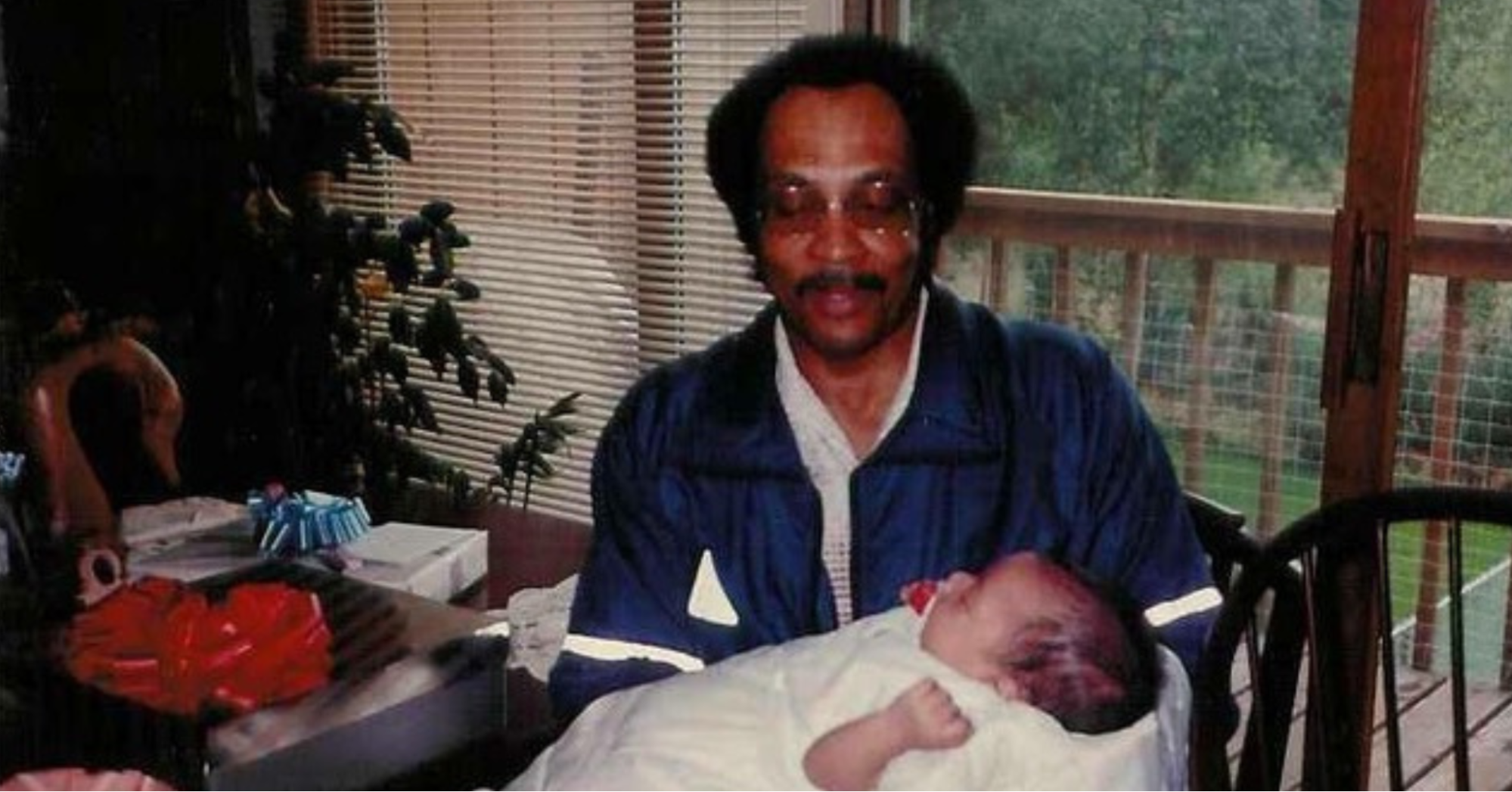
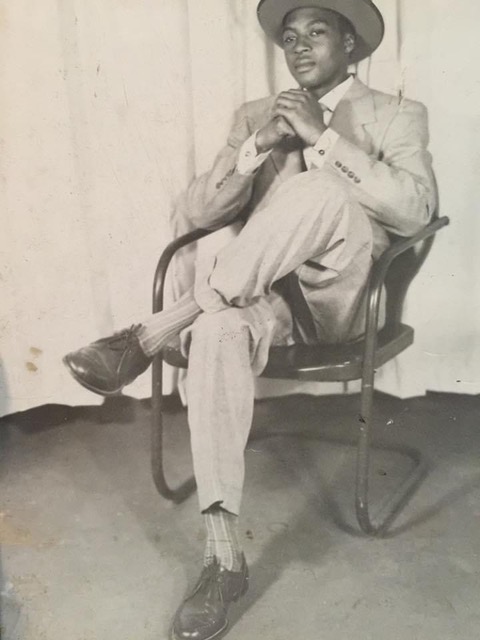
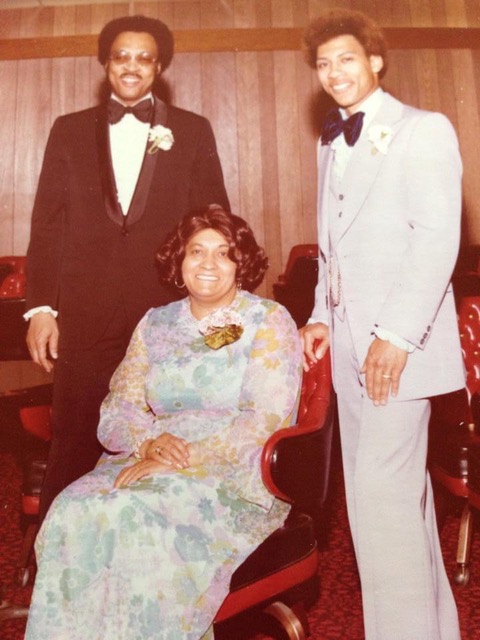
Bad Bob. Bobby D. Mr. Ward. But to me he was simply, “Granddaddy.” My grandfather was born Robert Drummond Ward on August 7th, 1932 in the city of Birmingham, Alabama. He was a military officer in the Air Force, which is what brought him, his wife, and his three kids, including my father, to my home state of Alaska. He was a teacher. History was his primary subject, and he helped shape the minds and lives of young people for many years before retiring from the Anchorage School District.
The nicknames “Bad Bob” and “Bobby D” were from his time as a drummer in a jazz band, which I’m sure is where I got my love of the genre. A book of vinyls with the titles written in his own hand is one of my most prized possessions. If the house was on fire, it would be one of the things I would try to grab before running out. He almost never talked about that time period, he gave it up to have a family–which is the thing I would say my grandfather is most known for. Officer, teacher, musician…but the titles he was most proud of were husband, father and grandfather.
The Measure of a Man
My Granddaddy was my hero, truly the measure of a man. When he was deployed in the Air Force, he would buy “mystery cans” of discounted food with no labels, heat them up on the radiator in his room, and send the rest of the money home to my Grandmother. He wore his clothes until they had holes in them and were threadbare in order to squirrel away everything that he could for his family’s future. Even once he was comfortable financially, the frugalness remained, at least when it came to him. No expense was spared when it came to my younger brother and me, or his beloved “Spike,” my Grandmother.
For me, my grandfather was and is truly the measure of a man. He was the strongest, most faithful, most committed husband, father and grandfather I have ever met. He taught me how to play blackjack and showed me that men can and should share in household responsibilities. He used to cook me onions and potatoes, one of my favorite dishes that he would make, and head cheese sandwiches (if you know, you know).
I remember in second grade, he was so proud of me when I told him that I had started getting myself up for school by myself. The next time I saw him, he presented me with a radio alarm clock so I’d have something special and cool and grownup to help me be independent. I used it almost every single day until it died many, many years later.
Losing My Grandfather to Late-Stage Prostate Cancer
Christmas 1996 was probably my worst holiday to date. It was the first Christmas I spent without my grandfather. He had died 19 days earlier at age 64 after a short and extremely painful battle with prostate cancer. Even in his 60s, my grandfather was not only the strongest man I knew emotionally and mentally, but also physically. He hauled ice and coal on his back with his father in Birmingham beginning at age seven. Yes, I said seven. Literally a second grader hauling giant bags of ice and coal to families to make sure that he would be able to get by. Because of this, almost up to the very end, he would still be able to pick me up and dance with me around the room.
Eleven summers. That is how many I got with my precious grandfather. The man who taught me the secrets of the card games of Las Vegas (a favorite vacation spot for him and my Grandmother, along with Korea) and that nothing good happens after 10pm. I sometimes wonder if he knew that he would not be around to see me grow up, so he imparted as much wisdom as possible while he could when I was little. He never got to see me graduate from high school or hold his great-grandson, who I know would have been his absolute bestie.
Why Did My Grandfather Wait So Long to See a Doctor?
I can’t help but think losing him so soon was preventable. He had been feeling poorly for some time, but at no point in the 11 years that I spent with my grandfather did I ever see him cry or admit to experiencing any pain. He believed BC powder cured all ailments, and based on his background and all he had experienced, pushing through without “complaining” was the only way to do things.
For months we begged him to go to the doctor as the effects of what we eventually found out was late-stage prostate cancer began to take their toll on him. He had to have been in excruciating pain given how advanced the cancer was by the time we could finally convince him to see a doctor and find out what was going on.
Watching this legend of a man, who used to play chicken with trains as a kid back in Birmingham, be bedridden, struggling with every breath, was almost more than my fourth grade heart could take. I still have a faint scar on my heel from where I jumped up to grab his next dose of medicine for him and scratched my foot on a magazine rack. I wear that scar with pride even though it was one of the worst time periods of my life. He was completely bedridden at that point. Being able to help the man that I know did so much for my family in any way I could made me feel good.
There are a multitude of reasons why my grandfather put off going to the doctor for so long. You probably already know them. One, the cost. He was extremely frugal as I mentioned before, and would not have wanted the money spent on him. Especially when he probably felt that he could power through whatever was going on with him, just as he had powered through every other obstacle in his life: poverty, limited resources and racism, among many others I’m sure. Speaking of racism, I’m sure that played into his avoidance of going to the doctor as well. As people of color, we have an inherent mistrust of institutions, rightly earned, and medical professionals in particular.
Medical Mistrust and the Legacy of the Tuskegee Experiment
My grandfather was the one who first taught me about the Tuskegee Experiment. The Tuskegee Syphilis Study, also known as the “Tuskegee Experiment,” was a deeply unethical 40-year medical study conducted from 1932 to 1972 by the U.S. Public Health Service to observe the natural progression of untreated syphilis in African American men. Researchers intentionally withheld penicillin and actively blocked the men from getting treatment elsewhere. The disease caused scores of avoidable deaths, blindness, mental deterioration, and passed congenital syphilis to the participants’ wives and children.
For people of color, this was not an isolated experience. There are countless instances of abuse and mistreatment of people of color by medical professionals. Not to mention, the fact that we frequently feel unheard or dismissed by medical professionals when we do seek help. I’m sure all of these were factors in my grandfather choosing not to pursue medical treatment until it was too late.
Chemotherapy and the Cost of Waiting
By the time my grandfather did finally go to the doctor, he was already in late stage prostate cancer and the prognosis was not optimistic.
His indomitable strength combined with the fact that he wanted to be able to be there for his family as long as possible, led to his decision to undergo chemotherapy treatment. Being that I was a child and in school when he was undergoing treatment sessions, I was largely spared from the effects of what he experienced there. But my father has shared the details of what he underwent. The vomiting, the physical weakness of a man who was a living John Henry…it was a lot to have to bear witness to. And a lot for my grandfather to have to endure after already having lived through a lifetime of overcoming struggles that would have broken lesser men.
This was one more hurdle for him to power through, but unfortunately it doesn’t work like that with prostate cancer. All the willpower, love and support in the world could not overcome the consequences of having put off care for so long.
Prostate Cancer in Black Men: What the Numbers Say
According to the American Cancer Society, Black men face the highest rates of prostate cancer diagnosis and mortality of any racial or ethnic group in the United States. 1 in 6 Black men will develop prostate cancer in their lifetime, compared to 1 in 8 men overall. Black men are over twice as likely (2.0 to 2.1 times) to die from prostate cancer than White men. It makes me sick to my stomach to see these statistics and know that my grandfather is among them. But my grandfather, like the countless other men affected by prostate cancer, is more than just a number. They are husbands, fathers, brothers, friends, members of a community.
According to the American Cancer Society Action Network, the good news is that deaths from prostate cancer have been declining, in part due to improvements in treatment, management of recurrent disease, and early detection with a prostate-specific antigen (PSA) test. Among Black men, prostate cancer deaths have dropped by 56% since their peak in 1993.
When Should Black Men Start Prostate Cancer Screening?
How often you should get checked for prostate cancer depends on your PSA results, your age, and your personal risk factors. If you are at average risk, testing should begin around age 50. If you are high risk, particularly if you are African American and/or have a family history of prostate cancer, screening should begin earlier, between 40-45 years of age. These aren’t decisions you should be making on your own; make sure you consult your medical provider for guidance on when you should begin testing and how often you should be having it done.
Get Tested for the People Who Love You
You want to have more than eleven summers with your granddaughter. You want to be able to tell your great grandson about dodging trains in elementary school in the heat of the Alabama summer. You want to see your adult granddaughter have her art featured in exhibitions all over the United States. You want to be able to tell her to have her hiney home before 10pm because nothing good happens after that hour. She won’t listen, I sure didn’t, but that’s not the point. When I was out after 10 and something crazy would be going down, his words always came back to me. As they have in many situations I have found myself in over the years.
There were so many times when I longed to be able to ask my Granddaddy for advice. In addition to asking myself, “what would Jesus do?” I also wondered, “what would Bad Bob do???” Unfortunately, prostate cancer robbed me of the opportunity to ever find out. You don’t want to do that to the ones that love you. A lot of us also may avoid medical care because we don’t think of the impact of not being around any more. My grandfather did so much to set us up for success, but no amount of money or advice could replace who and what he was in our lives.
And it wasn’t just losing him. He did not go peacefully in his sleep in old age. It was weeks of deteriorating and intense physical pain. It was losing autonomy and the ability to take care of himself. The most independent, mountain of a man had to depend on other people to take care of even his most basic needs. I don’t think that was ever the case since he was a toddler, so to have the end of his life go that way was truly a tragedy.
One of his favorite phrases was, “this too shall pass.” Any time something bad has happened to me, his words come back. I imagine he also kept this phrase in mind while going through chemotherapy and all the other hardships of battling prostate cancer. It was only temporary, as he eventually succumbed to the cancer. But if it could have been avoided by being treated sooner, I cannot imagine that he would not have made a different decision. Hindsight is 20/20 as they say, and if you are reading this piece right now, you have the benefit of the hindsight of people who have already gone through this experience.
You can make different decisions and be empowered to take your healthcare journey into your own hands to get tested and get the best possible treatment if that becomes necessary.

His Legacy Lives On
My Granddaddy’s legacy lives on, but it also serves as a warning to those who have come after him. Get tested. Prostate cancer took one of the most important people in my life away from me prematurely. Please make the decision today to get tested, so you can be around for those who love you as long as possible.
Frequently Asked Questions About Prostate Cancer and Black Men
Q: Are Black men more likely to get prostate cancer?
A: Yes. About 1 in 6 Black men will be diagnosed with prostate cancer in their lifetime, compared to about 1 in 8 men overall. Black men are also more than twice as likely to die from it as White men.
Q: At what age should Black men start prostate cancer screening?
A: The American Cancer Society recommends that Black men, and men whose father or brother had prostate cancer before age 65, talk to a doctor about screening starting at age 45. Men with more than one close family member who had prostate cancer at an early age should start that conversation at 40. Men at average risk should start at 50.
Q: What is a PSA test?
A: A PSA (prostate-specific antigen) test is a simple blood test. It measures a protein made by the prostate. Higher levels can be a sign that something is going on, so your doctor may suggest more testing.
Q: Is prostate cancer treatable if it’s caught early?
A: Yes. Prostate cancer is very treatable when it’s found early. Men diagnosed at an early stage have a 5-year survival rate of about 99%.
References
- American Cancer Society Cancer Action Network. Prostate Cancer and Black Men (2025). https://www.fightcancer.org/sites/default/files/prostate_cancer_and_black_men_2025_final.pdf
- American Cancer Society. American Cancer Society Recommendations for Prostate Cancer Early Detection. https://www.cancer.org/cancer/types/prostate-cancer/detection-diagnosis-staging/acs-recommendations.html
- Prostate Cancer Foundation. Black Men: Know Your Risk for Prostate Cancer. https://www.pcf.org/?p=90580
- Centers for Disease Control and Prevention. About the USPHS Untreated Syphilis Study at Tuskegee. https://www.cdc.gov/tuskegee/about/index.html