

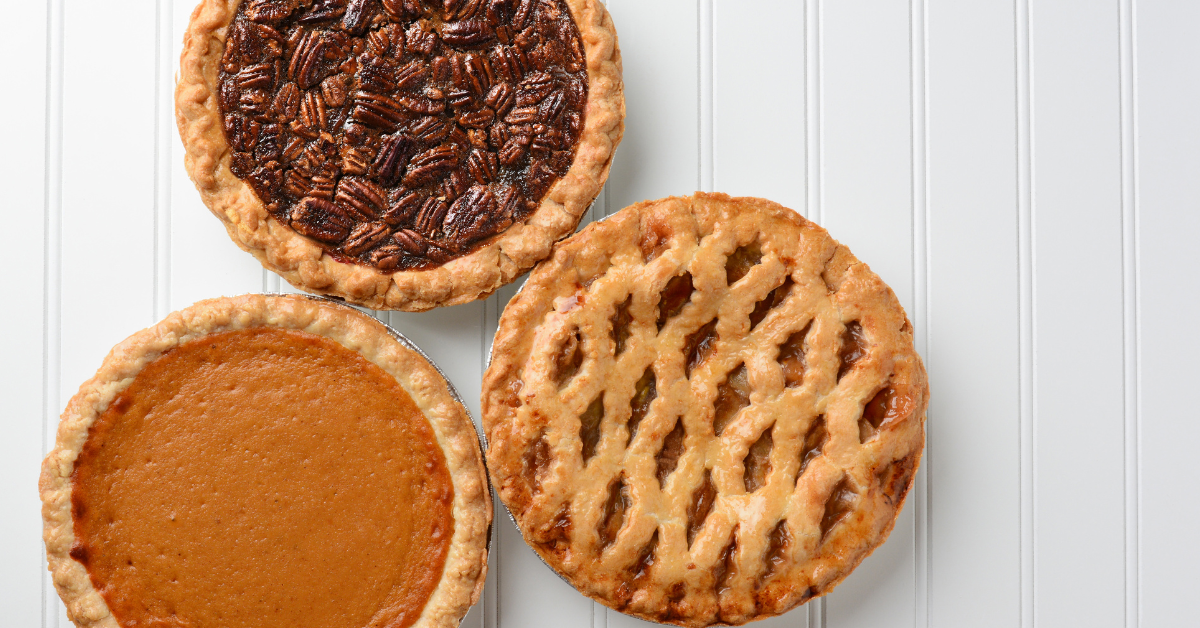
The holidays are a time for joy, family, and wonderful traditions and that often includes a table full of delicious, tempting desserts and carb-heavy dishes.1,2 If you are managing your blood sugar, or diabetes, this season can feel like a challenge. The good news is that you don’t have to miss out! A little bit of planning and mindful eating can help you enjoy your favorite holiday treats while keeping your blood sugar stable.1,2
Here are five science-backed tips to help you celebrate happily and healthily:
1. Never Skip Meals to “Save Up”
It might seem like a good idea to skip breakfast or lunch to save your carbohydrates or calories for a big holiday dinner or dessert, but this can actually work against you.1,3
- Skipping meals can lead to unstable blood sugar readings, often causing sudden dips followed by sharp spikes later on.1,3,4 Eating at regular intervals, close to your usual mealtimes, helps keep your blood sugar steady.4
- When you arrive at a gathering feeling very hungry, you are much more likely to overeat, which can throw your blood sugar control way off track.1,3 Having a small snack at your usual mealtime can help if a holiday dinner is delayed.3
- Stick to your regular, balanced meal schedule as much as possible.1 Eating balanced meals with protein, healthy fats, and fiber keeps you feeling full and helps to stabilize blood sugar levels.5
2. Prioritize Protein, Fiber, and Non-Starchy Veggies
When building your plate at a holiday feast, use a strategic approach that is great for blood sugar control, even when dessert is on the way.1,4
- Aim to fill at least half of your plate with non-starchy vegetables, such as green beans or salad.1,4 These are packed with fiber and do not significantly impact blood sugar levels, allowing you to enjoy larger portions that help you feel full.1,4
- Fill one-quarter of your plate with lean protein, like turkey breast or fish.1,4 Protein can help balance the effects of carbohydrates on your blood sugar.5
- Use the last quarter for your holiday carbohydrates, like stuffing, potatoes, or a small portion of your favorite sweet dessert.1,4
- Studies suggest that dietary fiber and protein independently influence insulin-mediated glucose (sugar) control.5,6 Specifically, protein-rich foods help stabilize blood sugar levels and can increase satiety (feeling full).5,7
3. Be Selective and Manage Your Portions
You do not need to try every single sweet treat offered to you, focus on the ones you truly love and only have during the holiday season.1
- Survey the dessert table and pick one small slice or bite-sized portion of the treat you want most.1,2 Savoring that small amount slowly can satisfy your sweet tooth without causing a major blood sugar spike.1,4
- If you choose to have a dessert, cut back on other carbohydrate sources in your main meal, such as bread or starchy side dishes.1,4 This helps you manage your total carbohydrate intake for the meal, which is key to blood sugar control.1,2,4
- Drinking plenty of water or unsweetened herbal teas throughout the day helps you feel full and supports glucose control.4
4. Stay Active, Even with Short Walks
Physical activity is one of the most effective ways to manage blood sugar, and the holidays should not be an exception.1,2
- Exercise, even a single bout, can have a profound impact on lowering blood glucose levels and improving insulin sensitivity for up to 72 hours.8 Your muscles use blood sugar as fuel during activity.8,9
- Research has shown that post-meal exercise is an effective tool to manage the blood glucose spikes that follow a meal.8,10 Even a short walk after a meal (10 to 20 minutes) can help lower your blood sugar levels.1,8,10
- Plan a new family tradition like a walk after dinner, or participate in a physical activity for at least 30 minutes a day.1
5. Monitor Your Numbers and Reduce Stress
Changes in routine, like those during the holidays, can affect your blood sugar, so staying on top of your readings is crucial.1,4
- Monitor your blood glucose levels more frequently than usual, especially when trying new foods or if you are eating differently than your normal routine.1,4 This allows you to catch any spikes or drops quickly and make modifications as needed.4
- The holidays can be stressful, and stress hormones like cortisol can throw your blood sugar out of whack.4 Managing stress with activities like deep breathing, meditation, or yoga can help.4 Remember that the lifestyle choices you make consistently over time have the most significant impact on your health.1
The holidays are about connection and joy, not perfection. With a few simple, mindful choices, you can fully enjoy the season while supporting your health goals.
References
- Centers for Disease Control and Prevention. (2024). Healthy Eating and the Holidays. https://www.cdc.gov/diabetes/healthy-eating/5-healthy-eating-tips-holidays.html
- ColumbiaDoctors. (2024). Managing Your Diabetes Over the Holidays. https://www.columbiadoctors.org/news/managing-your-diabetes-over-holidays
- University Health. (2025). How to Manage Diabetes During the Holidays. https://www.universityhealth.com/blog/blood-sugar-holiday-meals
- Lehigh Valley Health Network. (2025). Managing Diabetes During the Holiday Season. https://www.lvhn.org/news/managing-diabetes-during-holiday-season
- Ni, Y., Zheng, A., Hu, Y., Rong, N., Zhang, Q., Long, W., Yang, S., Nan, S., Zhang, L., Zhou, K., Wu, T., & Fu, Z. (2022). Compound dietary fiber and high-grade protein diet improves glycemic control and ameliorates diabetes and its comorbidities through remodeling the gut microbiota in mice. Frontiers in Nutrition, 9, 959703. https://doi.org/10.3389/fnut.2022.959703
- Gudiño-Cabrera, M., Almeda-Valdes, P., & Hernández-Pérez, H. (2024). Efficacy of a high-protein diet to lower glycemic levels in Type 2 Diabetes Mellitus: A systematic review. International Journal of Molecular Sciences, 25(20), 10959. https://doi.org/10.3390/ijms252010959
- Lartey, A., Sriram, G., & Wicks, C. (2017). Effects of higher dietary protein and fiber intakes at breakfast on postprandial glucose, insulin, and 24-h interstitial glucose in overweight adults. Nutrients, 9(4), 365. https://doi.org/10.3390/nu9040365
- Erickson, M. L., Jenkins, N. T., & McCully, K. K. (2017). Exercise after You Eat: Hitting the Postprandial Glucose Target. Frontiers in endocrinology, 8, 228. https://doi.org/10.3389/fendo.2017.00228
- Mayo Clinic. (2024). Diabetes and exercise: When to monitor your blood sugar. https://www.mayoclinic.org/diseases-conditions/diabetes/in-depth/diabetes-and-exercise/art-20045697
- Diabetes Qualified. (2023). Can the timing of post meal exercise improve blood glucose targets in type 2 diabetes? https://www.diabetesqualified.com.au/post-meal-exercise-blood-glucose/






 is live
